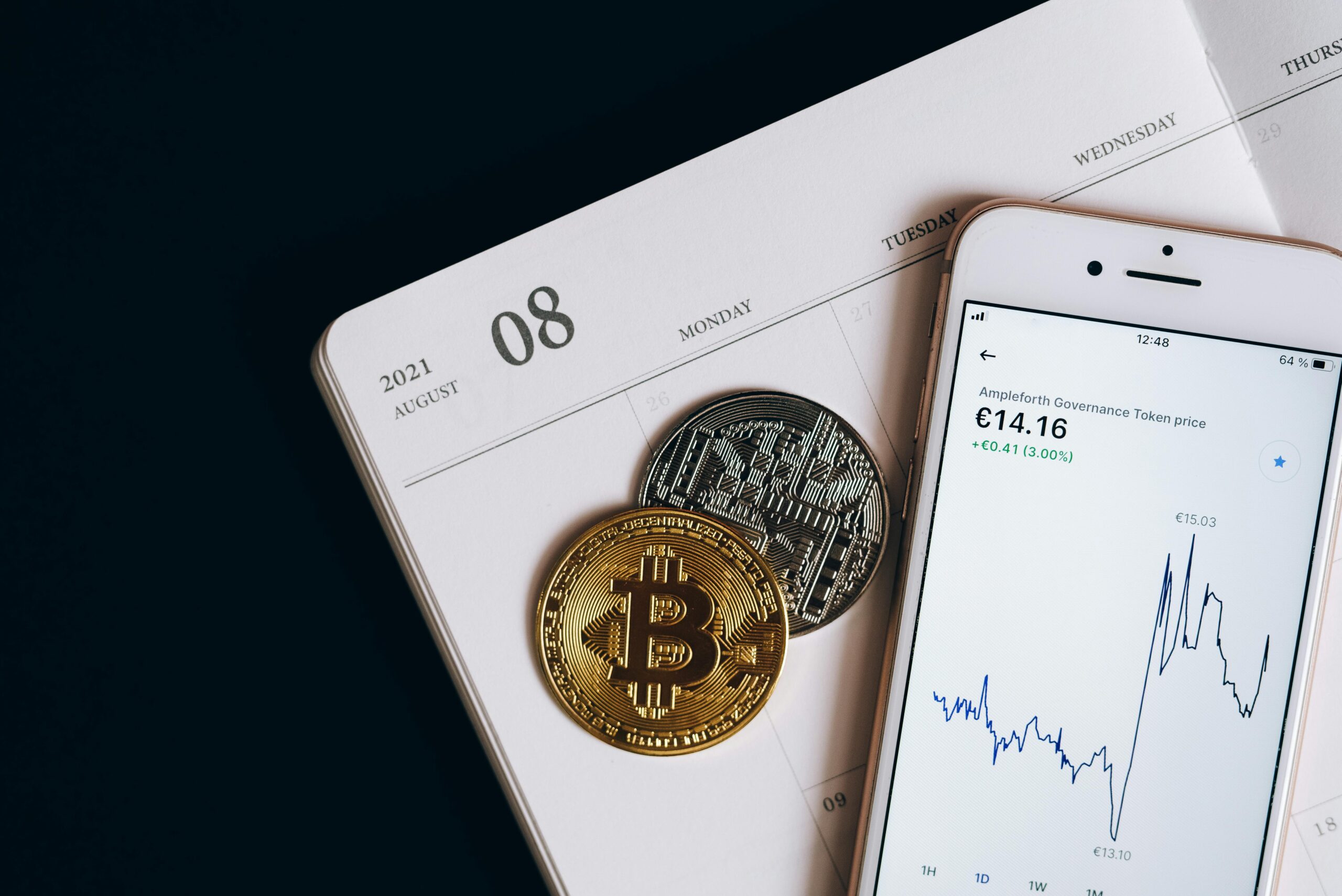
Programmable token utilities are revolutionizing how we interact with digital assets, creating unprecedented opportunities for businesses, developers, and consumers in the emerging Web3 economy.

🚀 The Dawn of Programmable Digital Assets
The blockchain revolution has introduced a paradigm shift in how we conceptualize and utilize digital assets. Unlike traditional currencies or static digital tokens, programmable tokens represent a new generation of smart assets that can execute complex functions automatically based on predetermined conditions. These intelligent digital instruments are reshaping everything from payment systems to loyalty programs, creating dynamic ecosystems where value flows seamlessly according to embedded logic.
The concept of programmability extends far beyond simple transfers of value. Modern token utilities incorporate sophisticated mechanisms including time-locked releases, conditional distributions, automated staking rewards, governance rights, and access controls. This versatility transforms tokens from mere units of exchange into comprehensive tools for building decentralized applications and autonomous economic systems.
Understanding the Fundamentals of Token Programmability
At its core, programmable token utility refers to the ability to encode specific behaviors, rules, and functionalities directly into digital tokens through smart contracts. These self-executing contracts operate on blockchain networks, ensuring transparency, immutability, and trustless execution without requiring intermediaries.
The foundation of programmable tokens rests on blockchain technology, particularly platforms like Ethereum, Binance Smart Chain, Solana, and newer layer-2 solutions. These networks provide the infrastructure necessary for deploying smart contracts that govern token behavior, creating a bridge between code and economic activity.
Core Components of Programmable Tokens
Programmable tokens incorporate several essential elements that distinguish them from conventional digital currencies. The token standard defines the basic structure and interface, ensuring compatibility across platforms and wallets. Standards like ERC-20, ERC-721, and ERC-1155 have become industry benchmarks, each serving different use cases from fungible currencies to unique non-fungible assets.
Smart contract logic forms the brain of programmable tokens, containing the rules governing their behavior. This includes minting mechanisms, burning protocols, transfer restrictions, and utility functions. The transparency of blockchain technology means these rules are visible and verifiable by anyone, creating unprecedented accountability in digital finance.
💡 Transformative Applications Across Industries
The practical applications of programmable token utilities span virtually every sector of the digital economy. Financial services have embraced these innovations to create decentralized lending platforms, automated yield generation, and sophisticated derivatives markets that operate without traditional banking infrastructure.
Decentralized Finance Revolution
DeFi platforms leverage programmable tokens to create entirely new financial instruments. Liquidity pool tokens automatically track ownership stakes in decentralized exchanges, distributing trading fees proportionally to holders. Governance tokens enable democratic decision-making in protocol development, allowing stakeholders to vote on proposals and direct treasury allocations.
Yield farming mechanisms use programmable tokens to incentivize liquidity provision, automatically calculating and distributing rewards based on complex formulas that consider factors like duration, amount, and market conditions. These automated systems have unlocked billions in capital that would otherwise sit idle in traditional accounts.
Gaming and Virtual Economies
The gaming industry has discovered revolutionary use cases for programmable tokens. In-game assets encoded as tokens can carry built-in royalty mechanisms, ensuring original creators receive compensation every time items are resold on secondary markets. Play-to-earn models distribute rewards based on player achievements, skill levels, and time invested.
Virtual worlds and metaverse platforms utilize programmable tokens for land ownership, access rights, and governance. These tokens can enforce zoning regulations, automate rental payments, and enable complex economic interactions between virtual property owners and visitors.
Supply Chain and Authenticity Verification
Programmable tokens are transforming supply chain management by creating immutable records of product journey from manufacturer to consumer. Luxury goods manufacturers embed tokens with authentication data, making counterfeiting virtually impossible while providing consumers with complete transparency about product origins.
These tokens can automatically trigger payments when goods reach specific checkpoints, streamline customs procedures through verified documentation, and enable instant recall capabilities if quality issues emerge. The automation reduces paperwork, eliminates disputes, and accelerates transaction settlement across global supply networks.
🔧 Technical Architecture and Implementation
Building programmable token utilities requires careful consideration of several technical factors. The choice of blockchain platform significantly impacts performance, cost, and capabilities. Ethereum offers the most mature ecosystem and developer tools, but higher transaction fees have driven many projects to explore alternatives like Polygon, Avalanche, or Cosmos.
Smart Contract Development Best Practices
Security stands as the paramount concern when developing programmable tokens. Smart contracts are immutable once deployed, meaning bugs or vulnerabilities cannot be easily fixed. Rigorous testing, formal verification, and professional audits are essential steps before launching tokens that will handle real value.
Gas optimization represents another critical consideration. Inefficient smart contract code leads to higher transaction costs, potentially making token utilities impractical for users. Developers must balance functionality with computational efficiency, sometimes making architectural tradeoffs to achieve acceptable performance.
Interoperability and Cross-Chain Solutions
The fragmented blockchain landscape has created demand for cross-chain programmable tokens that can operate across multiple networks. Bridge protocols and wrapped tokens enable assets to move between ecosystems, though these solutions introduce additional complexity and potential security vulnerabilities.
Emerging standards like the Inter-Blockchain Communication protocol aim to create native interoperability, allowing programmable tokens to execute functions across different blockchain environments seamlessly. This evolution promises to unlock network effects and expand the utility of tokenized assets dramatically.
📊 Economic Models and Token Design
Successful programmable token utilities require thoughtful economic design that aligns incentives among all participants. Tokenomics encompasses the supply dynamics, distribution mechanisms, utility functions, and value capture strategies that determine whether a token succeeds or fails.
Supply Mechanisms and Scarcity
Programmable tokens can implement sophisticated supply controls. Deflationary models automatically burn tokens based on usage, creating scarcity that theoretically increases value over time. Inflationary models mint new tokens according to predetermined schedules, often used to fund ongoing development or reward network participants.
Dynamic supply mechanisms adjust minting or burning rates based on market conditions, protocol revenue, or governance decisions. These algorithmic approaches attempt to maintain price stability or achieve specific economic outcomes without central authority intervention.
Utility and Value Accrual
The utility embedded in programmable tokens determines their long-term value proposition. Pure governance tokens derive value from the influence they provide over important protocol decisions. Access tokens grant holders special privileges, exclusive content, or priority services within platforms.
Revenue-sharing tokens distribute a portion of protocol earnings to holders, creating direct financial incentives for long-term ownership. Staking mechanisms lock tokens in exchange for rewards, reducing circulating supply while securing network operations or providing liquidity.
🛡️ Security Considerations and Risk Management
The programmable nature of modern tokens introduces unique security challenges that differ from traditional financial instruments. Smart contract vulnerabilities have resulted in hundreds of millions in losses, making security expertise absolutely essential for any serious token project.
Common Vulnerability Patterns
Reentrancy attacks exploit the order of operations in smart contracts, allowing malicious actors to repeatedly withdraw funds before balances update. Integer overflow and underflow bugs can cause unexpected behavior in token calculations. Access control issues may allow unauthorized parties to execute privileged functions.
Flash loan attacks leverage the programmability of DeFi protocols to manipulate markets and exploit pricing oracles within single transactions. These sophisticated attacks require no upfront capital yet have drained millions from vulnerable protocols, highlighting the importance of robust security architecture.
Audit Processes and Ongoing Monitoring
Professional security audits examine smart contract code for vulnerabilities, providing independent verification before public deployment. Multiple audit firms often review critical protocols, offering diverse perspectives on potential weaknesses. However, audits represent point-in-time assessments and cannot guarantee absolute security.
Ongoing monitoring systems track unusual token movements, abnormal contract interactions, and potential exploit attempts in real-time. Bug bounty programs incentivize white-hat hackers to discover and report vulnerabilities before malicious actors can exploit them, creating an additional security layer.
🌐 Regulatory Landscape and Compliance
The regulatory treatment of programmable tokens remains in flux globally, with different jurisdictions taking varied approaches. Some tokens may qualify as securities under existing laws, triggering registration requirements and investor protection regulations. Utility tokens that provide access to services rather than investment returns often receive more lenient treatment.
Know Your Customer and Anti-Money Laundering requirements increasingly apply to token projects, particularly those involving fiat on-ramps or off-ramps. Compliance frameworks must balance the pseudonymous nature of blockchain with regulatory obligations, often implementing tiered access based on verification levels.
Emerging Regulatory Frameworks
Progressive jurisdictions are developing specialized regulations for digital assets that acknowledge their unique characteristics. The European Union’s Markets in Crypto-Assets regulation provides comprehensive rules for token issuance and service providers. Singapore’s Payment Services Act creates clear categories for different token types with proportionate oversight.
Tax treatment varies significantly across countries, with implications for token holders, traders, and protocol operators. Some jurisdictions tax tokens as property, others as currency, and many lack clear guidance entirely. This uncertainty complicates compliance for global projects and users.
🎯 Future Trajectories and Innovation Horizons
The evolution of programmable token utilities continues accelerating as developers explore increasingly sophisticated applications. Account abstraction promises to make token interactions more user-friendly by abstracting away complexity and enabling social recovery mechanisms. This could dramatically lower barriers to adoption for mainstream users.
Integration with Real-World Assets
Tokenization of traditional assets represents a massive opportunity for programmable utilities. Real estate, commodities, art, and intellectual property can be fractionally owned through tokens that automatically handle dividend distributions, voting rights, and regulatory compliance. This democratizes access to investment opportunities previously available only to wealthy individuals or institutions.
Central bank digital currencies may incorporate programmable features, enabling governments to implement targeted monetary policy, conditional stimulus payments, or automated tax collection. These sovereign tokens could coexist with private cryptocurrencies, creating a hybrid financial system combining centralized stability with decentralized innovation.
Artificial Intelligence and Autonomous Agents
The convergence of AI and programmable tokens may enable autonomous economic agents that own, trade, and deploy digital assets without human intervention. Machine learning algorithms could optimize token parameters in real-time based on market conditions, user behavior, and protocol performance metrics.
Decentralized autonomous organizations empowered by sophisticated governance tokens may evolve into truly autonomous entities that hire human contributors, allocate budgets, and make strategic decisions through algorithmic processes guided by stakeholder input.
💼 Practical Considerations for Implementation
Organizations considering programmable token deployment should begin with clearly defined objectives and success metrics. Token utilities must solve genuine problems rather than applying blockchain for its own sake. User experience should remain paramount, with technical complexity hidden behind intuitive interfaces.
Community Building and Engagement
Successful token projects cultivate engaged communities that provide feedback, promote adoption, and contribute to governance. Social channels, governance forums, and educational resources help stakeholders understand token utilities and participate meaningfully in ecosystem development.
Transparency builds trust in programmable token projects. Regular communication about development progress, treasury management, and strategic decisions helps maintain community confidence. Open-source code allows independent verification of token functionality and security measures.

🌟 Unlocking Unprecedented Digital Possibilities
Programmable token utilities represent far more than incremental improvements to existing financial systems. They constitute foundational infrastructure for entirely new economic models that align incentives, automate trust, and enable coordination at previously impossible scales. The technology eliminates intermediaries not through disruption but by encoding their functions into transparent, auditable code that executes impartially.
As adoption accelerates and technology matures, programmable tokens will become increasingly embedded in daily digital interactions. From micropayments that enable new content models to automated compliance systems that reduce regulatory friction, these intelligent assets promise to transform how value flows through digital networks.
The organizations, developers, and users who understand and harness programmable token utilities today position themselves at the forefront of this transformation. While challenges around security, regulation, and user experience remain, the trajectory points unmistakably toward a future where programmable value becomes as fundamental to the digital economy as electricity is to the physical world.
The revolution in digital transactions has begun, powered by programmable tokens that blur the boundaries between code and commerce. Those willing to explore this frontier will discover opportunities to build more efficient, equitable, and innovative systems that reimagine what’s possible in the digital age. The future of transactions isn’t just digital—it’s programmable, and that changes everything.