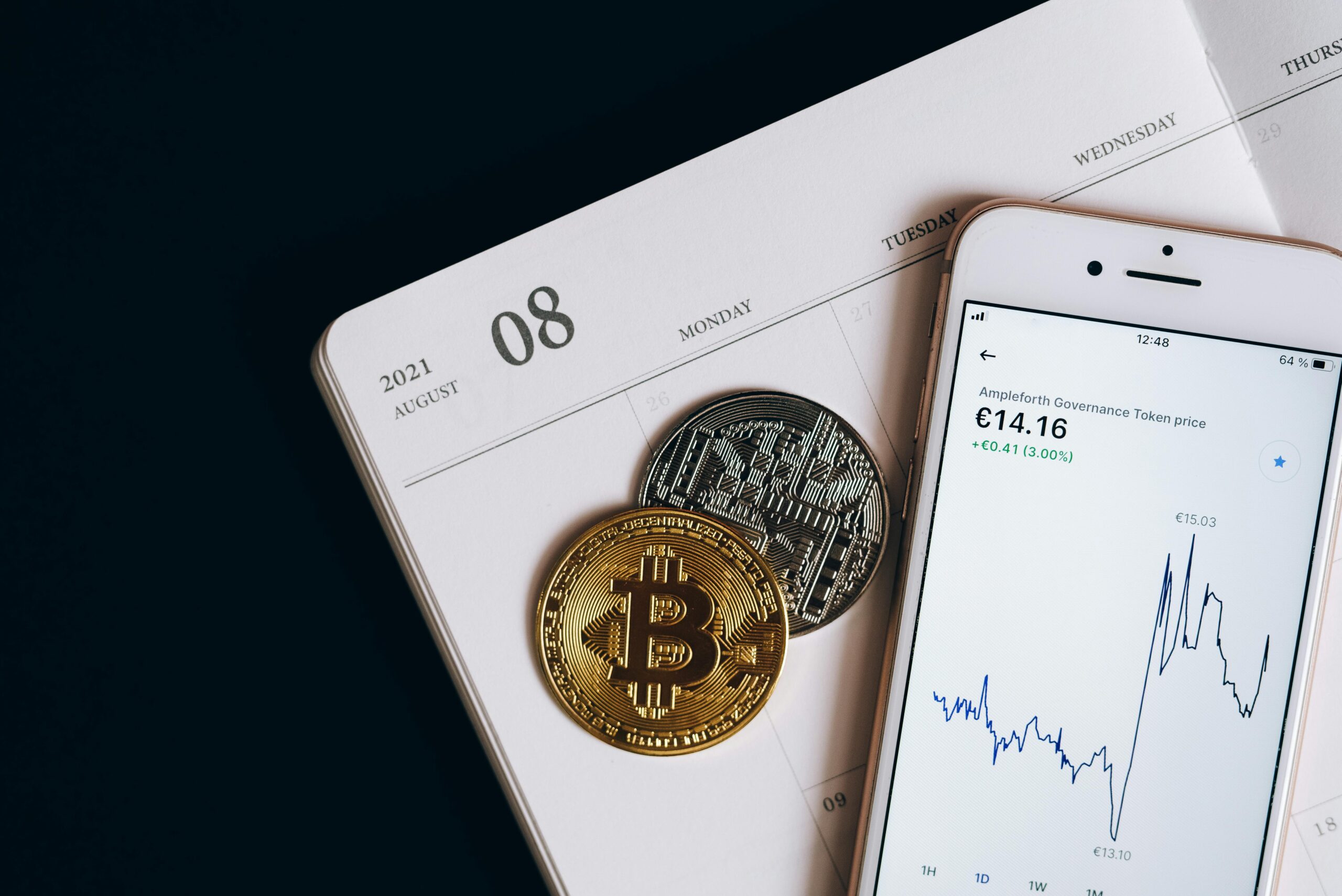
The digital landscape is transforming as token-based social networks emerge, creating new paradigms for how we connect, share, and build communities online.

Social media has evolved dramatically since its inception, but we’re now witnessing a fundamental shift in how platforms operate and reward user participation. Token-based social networks represent a revolutionary approach that’s changing the relationship between platforms, creators, and communities. Unlike traditional social media where corporations harvest user data and attention for profit, these innovative platforms distribute value directly to contributors through blockchain-based tokens.
This democratization of social networking isn’t just a technological novelty—it’s addressing longstanding problems that have plagued conventional platforms for years. Issues like censorship, data privacy violations, algorithmic manipulation, and the concentration of wealth in corporate hands are being challenged by decentralized alternatives that put power back into users’ hands.
🔗 Understanding Token-Based Social Networks
Token-based social networks leverage blockchain technology to create digital ecosystems where every interaction has tangible value. When you post content, engage with others, or contribute to the community, you earn tokens that represent real ownership stakes in the platform’s success.
These tokens function as both currency and governance tools. Users can trade them, hold them as investments, or use them to influence platform decisions through voting mechanisms. This creates aligned incentives where everyone benefits from the network’s growth—a stark contrast to traditional models where only shareholders and executives profit.
The technology behind these platforms typically involves distributed ledgers that record all transactions transparently. Smart contracts automate reward distribution, ensuring creators receive fair compensation without intermediaries taking excessive cuts. This infrastructure creates trust through code rather than corporate promises.
The Core Components of Token Economies
Every token-based social network operates on specific economic principles that define how value flows through the system. Understanding these mechanisms helps explain why this model is so compelling:
- Native tokens: The cryptocurrency that powers platform transactions and rewards
- Staking mechanisms: Systems where users lock tokens to gain influence or enhanced features
- Governance rights: Token holders vote on platform policies and development priorities
- Creator monetization: Direct payment systems that bypass traditional advertising models
- Community treasuries: Pooled resources managed collectively for platform development
💡 How This Revolution is Changing Online Interaction
The shift to token-based models fundamentally alters the social media experience in ways that benefit everyday users. Instead of scrolling endlessly through ad-filled feeds designed to maximize engagement for corporate profit, participants in token networks have genuine skin in the game.
Content quality improves dramatically when communities can economically reward valuable contributions. On traditional platforms, viral content often prioritizes controversy over substance because algorithms optimize for engagement metrics. Token-based systems allow communities to define and reward what they actually value—thoughtful analysis, educational content, artistic expression, or whatever the specific community prizes.
This economic alignment creates healthier online environments. When users earn from quality contributions rather than inflammatory reactions, the incentive structure naturally promotes constructive discourse. Trolling and spam become economically irrational when they result in token penalties or reduced earning potential.
Ownership and Data Sovereignty
Perhaps the most transformative aspect is true data ownership. On Facebook, Instagram, or Twitter, your posts, photos, and personal information belong to the platform. They can change policies, delete content, or ban users arbitrarily. Your years of content creation and community building can disappear overnight with no recourse.
Token-based networks store content on decentralized systems where you maintain control. Your digital identity, relationships, and creative output aren’t locked into a single corporation’s database. You can move between compatible platforms while maintaining your reputation, followers, and content portfolio.
This portability breaks the network effect monopolies that entrench traditional social media giants. Users aren’t trapped by fear of losing their audience if they leave. Platforms must continuously earn user loyalty through superior features and fair treatment rather than leveraging switching costs.
🚀 Real-World Applications Transforming Communities
Token-based social networks aren’t theoretical—they’re already operating with millions of users worldwide. These platforms demonstrate different approaches to implementing token economies, each solving specific problems in unique ways.
Steemit pioneered the concept by rewarding bloggers with cryptocurrency for popular posts. Though it faced challenges, it proved the viability of crypto-incentivized content creation. Today’s platforms have learned from early experiments, creating more sophisticated economic models with better sustainability.
Decentralized video platforms challenge YouTube’s dominance by offering creators 90% or more of revenue instead of YouTube’s 55% split. Musicians use token-based streaming services where listeners directly support artists without record label intermediaries. Visual artists sell digital works as NFTs with built-in royalties that generate ongoing income from secondary sales.
Niche Communities Flourishing
Token economies particularly benefit specialized communities that traditional platforms underserve. Hobbyist groups, professional networks, and educational communities can create self-sustaining ecosystems where expertise is properly valued.
A photography community might reward portfolio critiques with tokens that grant access to premium tutorials or equipment discounts. Programming forums could compensate helpful code reviewers, creating incentives for mentorship. Academic networks might token-gate research collaborations, ensuring contributors receive credit and compensation.
These micro-economies allow communities to define their own values and reward structures without conforming to one-size-fits-all platform policies designed for mass appeal.
🔐 Addressing Privacy and Security Concerns
Skeptics rightfully question whether blockchain-based systems truly protect privacy better than traditional alternatives. After all, most blockchains are public ledgers where transactions are visible to everyone. This transparency seems antithetical to privacy.
However, modern token-based networks implement sophisticated privacy protections. Pseudonymous identities separate your blockchain address from personal details. Zero-knowledge proofs allow verification without revealing underlying information. Layer-two solutions process transactions off the main chain, providing speed and privacy while maintaining security.
More importantly, these systems eliminate the surveillance advertising model that drives traditional social media. Facebook and Google profit by building detailed profiles of your behavior, relationships, and interests, then selling access to advertisers. Token networks remove this incentive—the platform doesn’t need to spy on you because its revenue comes from token appreciation, not data exploitation.
Building Trust Through Transparency
Paradoxically, blockchain’s transparency creates accountability that enhances trust. When platform algorithms and reward distributions operate through public smart contracts, manipulation becomes extremely difficult. Any changes require community approval through governance votes that are permanently recorded.
This contrasts sharply with Facebook’s mysterious “algorithm” that changes without notice, deprioritizing content based on undisclosed criteria. Twitter’s shadowbanning practices that reduce visibility without notification. Instagram’s constantly shifting policies that suddenly demonetize creators. Token platforms’ transparent rules create predictability and fairness.
⚖️ Challenges Facing Token-Based Social Networks
Despite their promise, these platforms face significant obstacles that prevent mainstream adoption. Understanding these challenges provides realistic perspective on the technology’s current state and future trajectory.
User experience remains problematic. Managing cryptocurrency wallets, understanding gas fees, and navigating blockchain terminology creates friction that alienates non-technical users. Until token networks achieve the seamless simplicity of Instagram or TikTok, they’ll struggle to reach mass audiences.
Scalability presents technical limitations. Ethereum processes roughly 15 transactions per second compared to Visa’s 65,000. When networks experience high demand, transaction costs spike and speeds slow. While solutions like sidechains and layer-two protocols help, they add complexity.
Regulatory uncertainty creates risk for platforms and users. Governments worldwide are developing cryptocurrency regulations that could significantly impact token-based networks. Securities laws, tax treatment, and licensing requirements remain unclear in most jurisdictions.
Economic Sustainability Questions
Critics question whether token economies can sustain themselves long-term. Early participants often benefit disproportionately from token appreciation, creating wealth inequality that mirrors traditional systems. If token values decline, the entire incentive structure collapses.
Some platforms have addressed this through dual-token systems—one stable token for everyday transactions, another for governance and investment. Others implement deflationary mechanisms that gradually reduce token supply, theoretically maintaining value. However, no model has proven definitively successful across market cycles.
There’s also concern about excessive financialization corrupting social interaction. When every post and comment has monetary value, does authentic connection suffer? Do people create for community or profit? These questions don’t have easy answers.
🌐 The Future of Digital Connection
Token-based social networks represent more than technological innovation—they embody a philosophical shift toward user empowerment and community ownership. As these platforms mature, they’ll likely complement rather than completely replace traditional social media.
We’re seeing hybrid models emerge where established platforms incorporate token features. Reddit’s community points system experiments with crypto rewards. Twitter has explored decentralization through initiatives like Bluesky. Even Facebook’s attempted Libra cryptocurrency (later Diem) acknowledged blockchain’s potential, though regulatory pressure killed the project.
The next generation of platforms will probably blend the best aspects of both worlds—the polished user experience of traditional apps with the ownership and incentive structures of token networks. Improved blockchain technology will make cryptocurrency elements invisible to users who simply want to connect and share.
Preparing for the Transition
For individuals and creators, now is the time to explore token-based alternatives and understand how these systems work. Early adopters of any technology gain disproportionate advantages. Those who establish reputations and audiences on emerging platforms position themselves for future opportunities.
Businesses should pay attention to these trends as well. Token-based loyalty programs, community governance structures, and creator partnerships will become competitive differentiators. Companies that understand blockchain-based community building will connect more authentically with increasingly savvy digital consumers.
Developers and entrepreneurs have enormous opportunities to build tools and platforms that address current limitations. User-friendly wallets, simplified onboarding processes, content discovery algorithms, and moderation systems are all needed. The infrastructure layer of token-based social networking is still being built.
🎯 Making Token Networks Accessible
The revolution in online interaction won’t reach its full potential until these platforms become accessible to everyone, not just cryptocurrency enthusiasts. This requires focused effort on education, design, and infrastructure.
Educational content must demystify blockchain concepts without overwhelming newcomers with technical details. People need to understand why token networks benefit them without becoming blockchain experts. Simple explanations of ownership, rewards, and governance—framed in familiar terms—will accelerate adoption.
Design innovations should abstract complexity. Users shouldn’t need to understand gas fees any more than email users need to understand SMTP protocols. Wallets can operate invisibly in the background. Fiat currency conversions can happen automatically. The blockchain should empower users without requiring their constant attention.
Infrastructure development must prioritize speed and affordability. High transaction costs and slow confirmation times frustrate users accustomed to instant, free social media. Scaling solutions need widespread implementation before token networks can compete with centralized alternatives on user experience.

🌟 Embracing the Connected Future
Token-based social networks are revolutionizing online interaction by realigning incentives, distributing ownership, and empowering communities. While challenges remain, the fundamental value proposition—platforms that serve users rather than exploit them—resonates strongly in an era of declining trust in Big Tech.
This isn’t about technology for technology’s sake. It’s about creating digital spaces that respect privacy, reward contribution, and give people genuine control over their online lives. It’s about communities governing themselves rather than submitting to corporate policies designed to maximize shareholder value.
The platforms that succeed will be those that remember technology serves human connection, not the reverse. Tokens, blockchains, and smart contracts are tools—powerful ones—but they mean nothing without authentic communities building meaningful relationships. The revolution isn’t just technical; it’s cultural, social, and deeply human.
As we move forward, the question isn’t whether token-based social networks will transform online interaction—they already are. The question is how quickly we’ll embrace this transformation and what kind of digital future we’ll collectively build. The power of connection, unlocked through thoughtful technology and community governance, offers extraordinary possibilities for those ready to participate.