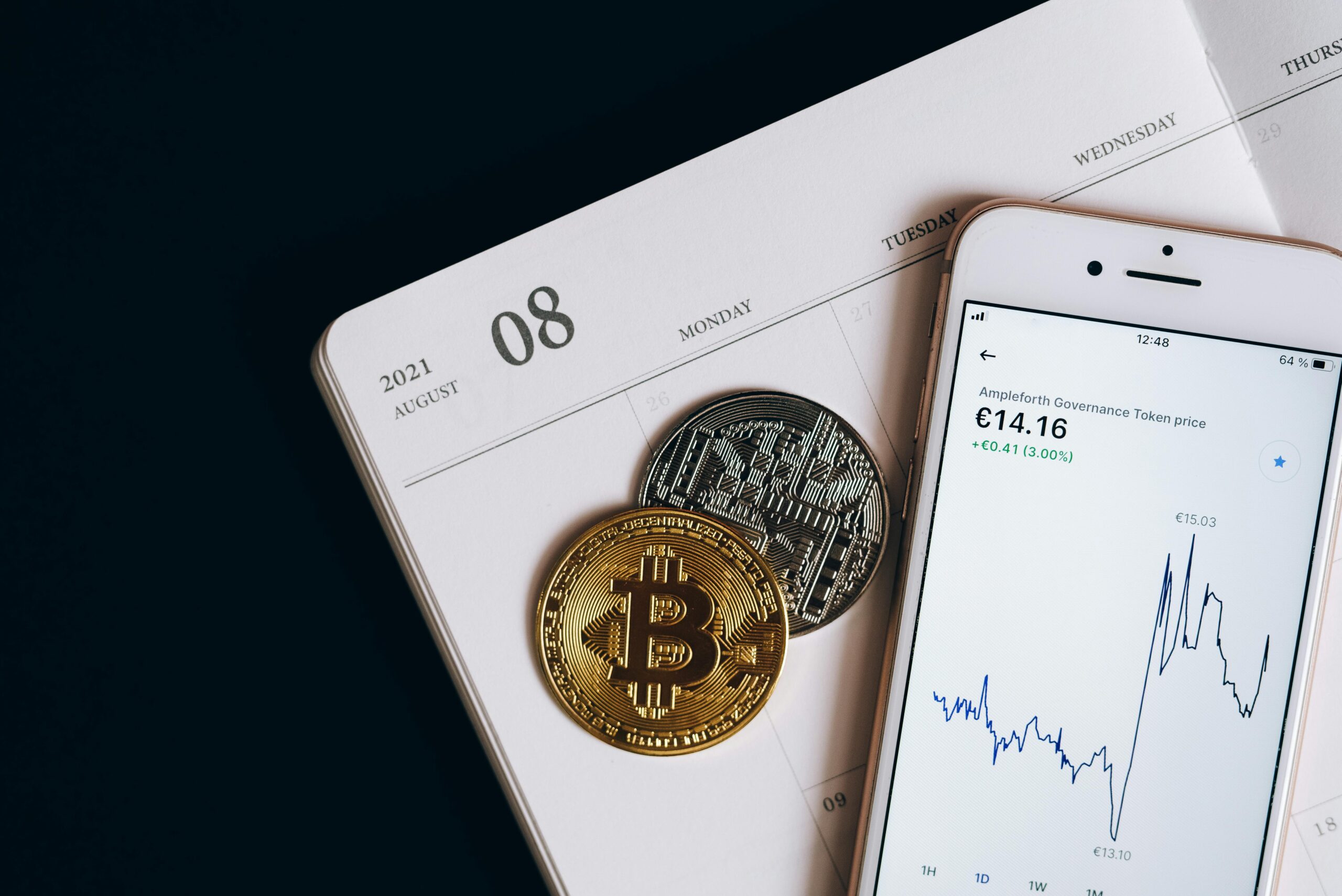
The digital economy is transforming how we create, distribute, and monetize intellectual property, with tokenization emerging as a revolutionary force reshaping traditional ownership models.

🚀 The Dawn of Digital Asset Ownership
Intellectual property has always been the cornerstone of innovation and creativity. From patents and trademarks to copyrights and trade secrets, these intangible assets drive economic growth and competitive advantage. However, traditional IP management systems are often fragmented, opaque, and inefficient. Enter tokenization—a blockchain-based approach that’s unlocking unprecedented value in the digital economy.
Tokenized intellectual property represents a paradigm shift in how creators, businesses, and investors interact with intangible assets. By converting IP rights into digital tokens on a blockchain, we’re creating liquid, transparent, and accessible markets for assets that were previously difficult to trade or fractionally own. This transformation isn’t just theoretical; it’s already generating billions in value and reshaping entire industries.
Understanding Tokenized Intellectual Property
At its core, tokenization involves creating a digital representation of an asset on a blockchain. When applied to intellectual property, this means converting ownership rights, licensing agreements, or revenue streams into programmable digital tokens. These tokens can represent full ownership, fractional shares, or specific usage rights to patents, copyrights, trademarks, or any other form of IP.
The blockchain infrastructure provides several critical advantages. First, it establishes immutable proof of ownership and provenance. Second, it enables automated execution of licensing terms through smart contracts. Third, it creates liquidity by allowing fractional ownership and secondary market trading. Finally, it offers transparency that reduces disputes and administrative overhead.
The Technical Foundation
Most tokenized IP implementations use non-fungible tokens (NFTs) or security tokens on blockchain platforms like Ethereum, Polygon, or specialized IP-focused chains. NFTs work particularly well for unique creative works, while security tokens are preferred for representing investment stakes in IP portfolios. The choice depends on regulatory considerations, technical requirements, and the nature of the underlying IP.
Smart contracts automate the complex relationships surrounding IP rights. They can handle royalty distributions, enforce licensing restrictions, manage derivative work permissions, and execute conditional transfers. This automation reduces intermediary costs while increasing accuracy and speed of transactions.
💡 Revolutionizing Creative Industries
The music industry provides compelling evidence of tokenization’s transformative power. Artists traditionally surrender significant control and revenue to labels, distributors, and streaming platforms. Tokenized music rights allow musicians to sell fractional ownership directly to fans, retain greater control, and secure upfront capital without exploitative contracts.
Consider an independent artist who tokenizes their catalog. Fans can purchase tokens representing fractional ownership, earning proportional royalties as the music generates revenue. The artist receives immediate funding, fans gain investment opportunities, and transparent blockchain records ensure accurate royalty distribution. This model eliminates multiple intermediaries and creates aligned incentives between creators and supporters.
Film and Entertainment Applications
Film production has embraced tokenization for financing and distribution. Filmmakers can tokenize revenue rights to their projects, allowing diverse investors to participate in potentially lucrative entertainment properties. This democratization of film investment opens opportunities previously reserved for studios and wealthy individuals.
Beyond financing, tokenization enables innovative distribution models. Viewers might purchase tokens that grant viewing rights, merchandise discounts, or participation in sequel decisions. This creates engaged communities around content while generating multiple revenue streams for creators.
Patent Monetization Reimagined
Patents represent enormous value but remain notoriously difficult to monetize efficiently. Patent holders—especially individual inventors and small research institutions—struggle to license their inventions or attract investment. Tokenization addresses these friction points by creating liquid markets for patent rights.
A tokenized patent allows fractional ownership among multiple investors who share in licensing revenues. This reduces risk for individual investors while providing patent holders with upfront capital. Smart contracts can automatically distribute royalties when licensees use the patented technology, ensuring transparent and timely payments.
Research and Development Acceleration
Universities and research institutions are exploring tokenization to fund R&D projects. By tokenizing potential IP from research initiatives, institutions can attract diverse funding sources while offering investors exposure to breakthrough technologies. This model could accelerate innovation in fields like biotechnology, clean energy, and materials science.
The pharmaceutical industry, with its lengthy development timelines and massive capital requirements, stands to benefit significantly. Tokenizing drug patents or clinical trial data could distribute risk, improve funding access, and potentially reduce drug costs by eliminating some intermediary profit layers.
🌐 Building Transparent Licensing Markets
Traditional IP licensing involves complex negotiations, opaque pricing, and significant transaction costs. Tokenization creates transparent, efficient marketplaces where IP can be licensed with a few clicks. Smart contracts enforce terms automatically, reducing disputes and administrative burden.
These marketplaces enable dynamic pricing based on real-time demand, usage metrics, and market conditions. A software patent might have different licensing fees for startups versus established corporations, with smart contracts automatically adjusting terms based on the licensee’s profile. This flexibility maximizes value extraction while lowering barriers for smaller players.
Cross-Border IP Transactions
International IP licensing faces jurisdictional complexities, currency exchange issues, and trust barriers. Blockchain-based tokenization provides neutral infrastructure that transcends borders. Payments occur in cryptocurrency or stablecoins, eliminating currency conversion friction. Immutable blockchain records provide clear ownership history regardless of jurisdiction.
This global accessibility expands markets for IP holders while giving licensees access to worldwide innovation. A designer in Brazil can easily license a manufacturing process from Japan, with smart contracts handling payments and usage verification automatically.
Fractional Ownership: Democratizing IP Investment
Historically, IP investment was restricted to corporations, venture capitalists, and wealthy individuals who could afford entire patents or substantial licensing deals. Tokenization enables fractional ownership, allowing anyone to invest in IP assets proportional to their resources.
This democratization has multiple benefits. It diversifies risk for IP holders by spreading ownership across many token holders. It provides retail investors with access to alternative assets that can diversify portfolios. It creates engaged communities of stakeholders who have vested interests in the IP’s success and may contribute to its promotion or development.
Creating IP Investment Portfolios
Tokenization enables the creation of diversified IP portfolios similar to mutual funds or ETFs. An investment vehicle might hold tokens representing fractional ownership in dozens of patents, copyrights, and trademarks across various industries. Investors purchase shares in this portfolio, gaining diversified exposure to IP assets without selecting individual properties.
These portfolios could be actively managed, with experts evaluating IP value, market potential, and licensing opportunities. Performance metrics would be transparent on the blockchain, allowing investors to make informed decisions. This infrastructure could develop into a sophisticated IP asset management industry.
⚖️ Navigating Regulatory Landscapes
The intersection of blockchain technology, securities regulation, and intellectual property law creates complex compliance challenges. Security tokens representing IP ownership typically fall under securities regulations, requiring registration or exemptions in most jurisdictions. Navigating these requirements demands legal expertise and careful structuring.
Different jurisdictions have varying approaches to crypto assets and IP tokenization. The United States applies securities laws rigorously, while some Asian and European countries have developed specialized regulatory frameworks. IP token issuers must understand applicable laws in their jurisdiction and wherever they offer tokens.
Protecting Stakeholder Rights
Smart contracts must accurately reflect IP laws and protect all stakeholders. When disputes arise—and they inevitably will—resolution mechanisms must be established. Some platforms incorporate arbitration clauses in smart contracts, designating neutral third parties to resolve conflicts according to predetermined rules.
Consumer protection is also critical. Retail investors purchasing IP tokens need clear disclosure about risks, rights, and potential returns. Transparency about the underlying IP’s value, existing encumbrances, and market conditions helps prevent fraud and builds trust in tokenization platforms.
Technical Challenges and Solutions
Despite its promise, IP tokenization faces technical hurdles. Valuing intellectual property remains subjective and complex, even with blockchain transparency. Establishing fair token prices requires sophisticated valuation models considering factors like market size, competitive landscape, remaining patent life, and revenue potential.
Scalability concerns affect blockchain networks, particularly during high transaction volumes. Ethereum gas fees can make small IP transactions economically unviable. Layer-2 solutions and alternative blockchains offer improved scalability, but interoperability between different platforms remains limited.
Security Considerations
Smart contract vulnerabilities pose significant risks. Bugs or exploits could result in theft, unauthorized transfers, or frozen assets. Rigorous auditing, formal verification methods, and bug bounty programs help mitigate these risks. Insurance products are emerging to protect against smart contract failures.
Private key management is critical. Losing keys means losing access to tokenized IP permanently. Custody solutions ranging from hardware wallets to institutional-grade custodians help secure valuable IP tokens. Multi-signature schemes and social recovery mechanisms add additional security layers.
🎯 Real-World Success Stories
Several pioneering projects demonstrate tokenization’s practical value. The music platform Royal allows artists like Nas and Diplo to sell fractional ownership in their songs. Token holders receive royalty payments and participate in the artist’s success. This model has generated millions in funding while creating engaged fan communities.
In the sports world, fan tokens representing participation rights in clubs have become mainstream. While not pure IP tokenization, they demonstrate how blockchain-based tokens can represent intangible rights and create vibrant secondary markets. Sports clubs have raised significant capital while increasing fan engagement.
Corporate IP Management
Major corporations are exploring tokenization for internal IP management. IBM has experimented with blockchain-based patent management systems. These systems track invention disclosures, patent applications, and licensing agreements with greater efficiency than traditional databases. While not publicly tradeable tokens, they demonstrate blockchain’s value for IP administration.
Universities including MIT and Oxford have piloted programs tokenizing research outputs. These experiments explore funding models, revenue sharing with researchers, and technology transfer efficiency. Early results suggest significant potential for accelerating innovation commercialization.
The Future Landscape of Tokenized IP
As technology matures and regulatory frameworks develop, tokenized IP markets will expand dramatically. We’ll likely see specialized exchanges for IP tokens, with sophisticated trading interfaces, analytics tools, and market-making services. These platforms could rival traditional financial exchanges in volume and sophistication.
Artificial intelligence will play an increasing role. AI algorithms could evaluate IP value, predict market trends, and recommend investment strategies. Smart contracts might incorporate AI-driven licensing terms that adapt to market conditions automatically. Machine learning could detect IP infringement by analyzing blockchain transactions and usage patterns.
Integration with Physical Assets
The boundary between physical and intellectual property will blur. A tokenized product design might automatically grant manufacturing rights when transferred. IoT devices could verify licensed technology usage and trigger royalty payments. Physical goods might carry blockchain-verified authenticity certificates linked to underlying IP tokens.
This integration creates comprehensive digital twins of products, incorporating design patents, brand trademarks, manufacturing processes, and distribution rights in unified token ecosystems. Supply chain participants would seamlessly transact IP rights alongside physical goods.
💼 Strategic Implications for Businesses
Companies must evaluate how tokenization affects their IP strategies. For IP-rich businesses, tokenization offers new monetization channels and funding sources. For IP users, it provides transparent licensing markets and potentially lower costs. Strategic positioning requires understanding these dynamics.
Early adopters gain competitive advantages. Companies establishing tokenized IP platforms become infrastructure providers in emerging markets. Those tokenizing valuable IP portfolios position themselves as forward-thinking innovators. However, rushing without proper legal, technical, and strategic preparation risks costly mistakes.
Organizational Readiness
Implementing tokenization requires cross-functional expertise. Legal teams must understand blockchain and securities law. IT departments need blockchain development skills. Finance professionals must evaluate tokenomics and market dynamics. HR may need to address employee incentive structures involving tokens.
Cultural shifts accompany technological changes. Organizations must embrace transparency, as blockchain exposes information traditionally kept private. They must accept disintermediation, as smart contracts replace manual processes. Leadership must champion innovation while managing risks responsibly.
Building Sustainable Token Ecosystems
Successful IP tokenization requires thoughtful ecosystem design. Tokens must have clear utility beyond speculation. Mechanisms should align incentives among creators, investors, and users. Governance structures need to balance efficiency with stakeholder representation.
Liquidity provision is essential. Without active secondary markets, tokens become illiquid investments with limited appeal. Market makers, automated market makers, and sufficient trading volume ensure investors can enter and exit positions. This liquidity premium significantly enhances token value.
Community Engagement
Token communities often determine project success. Engaged token holders promote IP, provide feedback, and contribute to development. Platforms should facilitate community interaction through forums, voting mechanisms, and collaborative features. Transparent communication builds trust and loyalty.
Incentive mechanisms like staking rewards, governance rights, or exclusive access encourage long-term holding and participation. These mechanisms must balance token distribution to prevent excessive concentration while rewarding meaningful contribution.

🌟 Transforming Value Creation
Tokenized intellectual property fundamentally alters value creation in the digital economy. It eliminates inefficiencies, democratizes access, and creates transparent markets for intangible assets. While challenges remain—regulatory uncertainty, technical limitations, valuation complexities—the trajectory is clear.
Creators gain unprecedented control and monetization options. Investors access alternative assets with attractive risk-return profiles. Businesses discover efficient licensing markets and novel funding mechanisms. Society benefits from accelerated innovation as IP barriers lower and capital flows improve.
The convergence of blockchain technology, intellectual property, and digital commerce is unlocking trillions in latent value. Organizations and individuals who understand this transformation and position themselves strategically will thrive in an economy where intangible assets dominate and tokenization provides the infrastructure for their exchange.
The power of tokenized intellectual property extends beyond technology—it represents a philosophical shift toward ownership democratization, transparent value exchange, and aligned incentives. As we build this new infrastructure, we’re not just creating markets; we’re reimagining how human creativity and innovation generate and distribute value in the digital age.