
Augmented Reality is revolutionizing how we shop online, bridging the gap between digital convenience and the tactile experience of in-store shopping. 🛍️

The frustration of ordering products online only to find they don’t match expectations is becoming a thing of the past. AR product trials are transforming e-commerce by allowing customers to visualize items in their own space before making a purchase decision. This technological breakthrough is reshaping consumer behavior and setting new standards for online retail experiences.
From furniture placement to virtual makeup application, AR technology is creating immersive shopping experiences that increase confidence and reduce return rates. Businesses adopting this innovation are witnessing remarkable improvements in customer satisfaction and conversion rates, proving that the future of shopping is already here.
🚀 Understanding AR Product Trials: The Technology Behind the Magic
Augmented Reality product trials overlay digital information onto the real world through smartphone cameras or AR glasses. This technology uses sophisticated algorithms to recognize surfaces, measure spaces, and accurately place virtual objects in physical environments with remarkable precision.
The underlying technology combines computer vision, simultaneous localization and mapping (SLAM), and depth tracking to create seamless experiences. When you point your device at a room, the AR system instantly analyzes the environment, identifying floors, walls, and existing furniture to accurately position virtual products.
Machine learning enhances these experiences by improving lighting conditions, shadow rendering, and scale accuracy. The result is a realistic preview that helps customers make informed purchasing decisions without ever touching the physical product.
💄 Beauty and Fashion: Try Before You Buy
The cosmetics industry has embraced AR trials with exceptional enthusiasm. Virtual makeup applications allow customers to test countless shades of lipstick, eyeshadow, and foundation without opening a single product. This innovation has proven especially valuable during times when in-store testers became unavailable.
Fashion retailers are implementing virtual fitting rooms where customers can see how clothing items look on their body type. These AR solutions analyze body measurements and provide size recommendations, significantly reducing the common problem of ill-fitting online purchases.
Eyewear companies have particularly benefited from AR trials. Customers can now try on dozens of frames virtually, seeing exactly how each style complements their face shape and coloring. This technology has expanded market reach for optical retailers while improving customer satisfaction rates.
Popular AR Beauty Applications
Leading beauty brands have developed sophisticated AR apps that recognize facial features and apply cosmetics with stunning realism. These applications track facial movements in real-time, allowing users to see how makeup looks from different angles and in various lighting conditions.
The technology has evolved to include skin tone analysis, providing personalized product recommendations based on individual characteristics. This level of customization was previously only available through in-person consultations with beauty professionals.
🏠 Furniture and Home Decor: Visualize Your Space
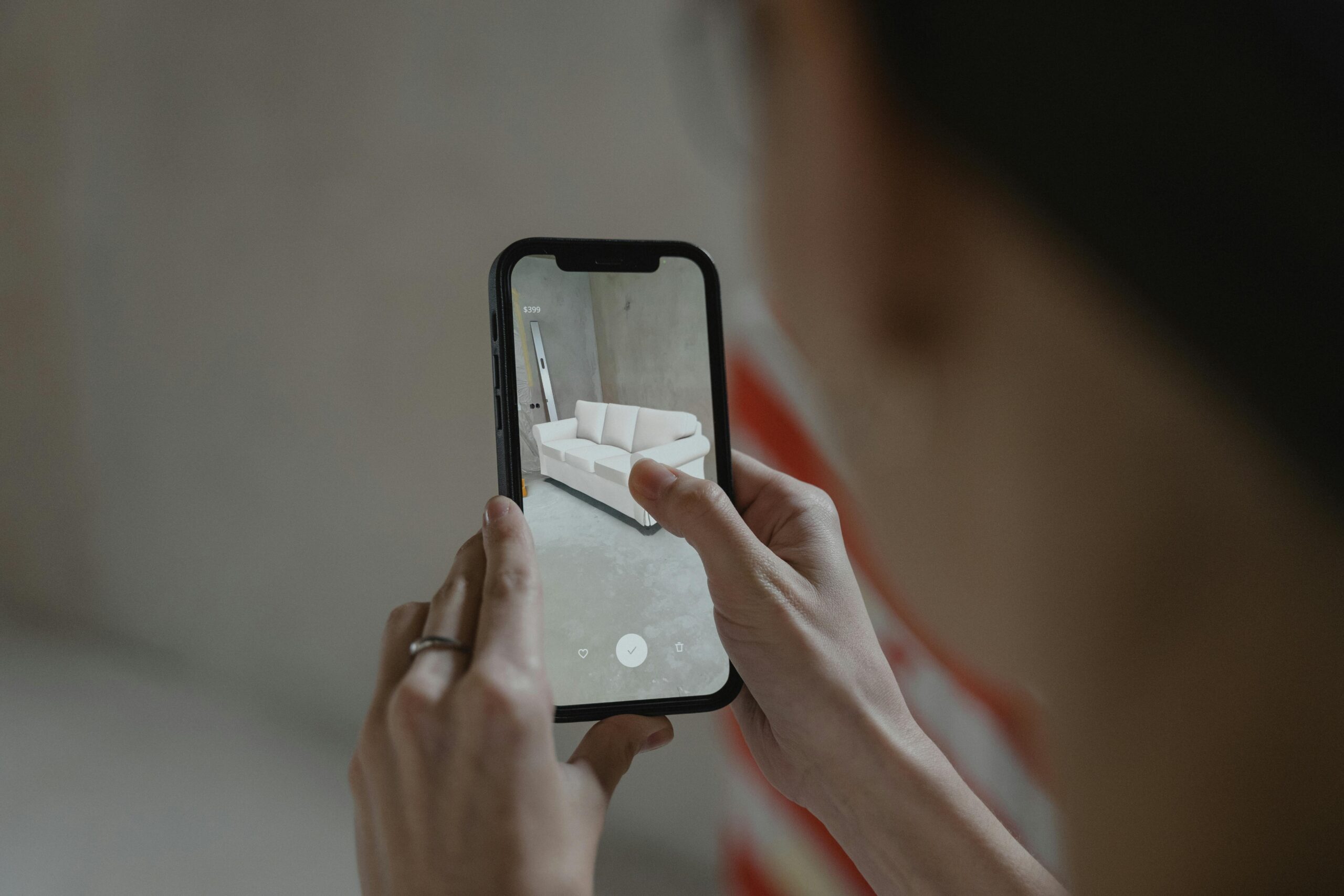
Perhaps no industry has benefited more from AR product trials than furniture and home decor. The ability to place a virtual sofa in your living room and see exactly how it fits transforms the traditional furniture shopping experience entirely.
Customers can experiment with different styles, colors, and configurations without the physical strain of moving heavy furniture or the disappointment of discovering a piece doesn’t work in their space. This technology addresses one of the biggest pain points in furniture shopping: spatial uncertainty.
Major retailers have reported significant decreases in return rates after implementing AR features. When customers can accurately visualize products in their homes, they make more confident decisions that align with their actual needs and preferences.
Measuring Success in Home Furnishing
AR applications for home decor typically include measurement tools that ensure dimensional accuracy. Users can measure walls, doorways, and existing furniture to guarantee new purchases will fit perfectly within their available space.
Some advanced platforms allow users to save room layouts and share them with family members or interior designers for collaborative decision-making. This social aspect enhances the shopping experience while ensuring all stakeholders agree on major purchases.
📱 The Mobile Revolution: AR at Your Fingertips
The widespread adoption of AR shopping experiences has been largely driven by smartphone capabilities. Modern devices come equipped with powerful processors, advanced cameras, and AR frameworks that make these experiences accessible to millions of consumers worldwide.
Apple’s ARKit and Google’s ARCore have standardized AR development, making it easier for retailers to create consistent experiences across different devices. This standardization has accelerated adoption rates and improved the overall quality of AR shopping applications.
Mobile-first AR experiences offer unparalleled convenience. Customers can trial products anywhere, anytime, whether they’re at home planning a room redesign or in a friend’s house seeking inspiration. This flexibility represents a fundamental shift in how shopping fits into daily life.
🎯 Benefits for Retailers: Beyond Customer Satisfaction
While improved customer experiences are the most obvious benefit, retailers gain numerous advantages from implementing AR product trials. Data collected through these interactions provides valuable insights into customer preferences, popular products, and common hesitation points in the purchase journey.
Return rates decrease substantially when customers accurately preview products before purchase. This reduction saves retailers significant costs associated with processing returns, restocking inventory, and managing customer dissatisfaction.
AR features also serve as powerful marketing differentiators. Retailers offering these innovative experiences attract tech-savvy consumers and generate positive word-of-mouth publicity. The novelty factor alone can drive traffic and increase brand awareness substantially.
Conversion Rate Improvements
Studies consistently show that AR product trials increase conversion rates by significant margins. When customers interact with products through AR, they develop stronger emotional connections and greater purchase confidence compared to viewing static images alone.
The interactive nature of AR creates memorable brand experiences that foster customer loyalty. Shoppers who engage with AR features often return to brands offering these capabilities, even when competitors offer similar products at lower prices.
🌟 Real-World Success Stories
IKEA’s AR application revolutionized furniture shopping by allowing customers to place true-to-scale 3D models in their homes. The app’s success demonstrated consumer appetite for AR shopping experiences and inspired countless competitors to develop similar solutions.
Sephora’s Virtual Artist feature has helped millions of customers find their perfect makeup shades. The application’s sophisticated facial recognition technology and extensive product catalog created a benchmark for beauty industry AR implementations.
Automotive manufacturers have adopted AR for vehicle customization, allowing potential buyers to explore different colors, wheel options, and interior configurations. These experiences have proven particularly effective for luxury brands where personalization is a key selling point.
🔮 Overcoming Implementation Challenges
Despite the numerous benefits, implementing AR product trials presents certain challenges. High-quality 3D modeling requires significant investment in time and resources, particularly for retailers with extensive product catalogs.
Technical limitations still exist, especially regarding accurate texture rendering and lighting matching. While technology continues improving rapidly, some products remain difficult to represent convincingly through AR, particularly items with complex materials or reflective surfaces.
User adoption varies across demographic groups. While younger consumers embrace AR shopping enthusiastically, older demographics may require additional education and simplified interfaces to fully engage with these technologies.
Addressing Technical Requirements
Retailers must balance quality with accessibility, ensuring AR experiences work smoothly across various device capabilities. Optimization is crucial to prevent slow loading times or crashes that frustrate users and damage brand perception.
Regular updates and maintenance are necessary to keep AR applications functioning properly as operating systems and hardware evolve. This ongoing commitment requires dedicated resources and technical expertise.
🛒 Integration with E-commerce Platforms
Successful AR implementations seamlessly integrate with existing e-commerce infrastructure. The transition from AR trial to purchase should be frictionless, maintaining shopping momentum and preventing cart abandonment.
Many platforms now offer plug-and-play AR solutions that integrate with popular e-commerce systems like Shopify, WooCommerce, and Magento. These solutions lower the barrier to entry for small and medium-sized retailers interested in offering AR experiences.
Social commerce integration represents another growth area, with platforms like Instagram and Snapchat incorporating AR shopping features directly into their social experiences. This integration meets consumers where they already spend time online.
🌐 The Social Aspect: Sharing and Collaboration
Modern AR shopping experiences often include social features that allow users to share their virtual trials with friends and family. This social validation plays a crucial role in purchase decisions, particularly for significant investments like furniture or home renovation projects.
Collaborative AR sessions enable remote shopping with friends, recreating the social aspects of in-store shopping in digital environments. Multiple users can view the same AR placement simultaneously, discussing options and providing feedback in real-time.
User-generated content from AR trials provides authentic marketing material that resonates more effectively than traditional advertising. Customers sharing their virtual product placements on social media create organic promotion that builds brand credibility.
💡 Privacy and Data Security Considerations
AR applications that access smartphone cameras and analyze home environments raise legitimate privacy concerns. Responsible retailers must implement robust data protection measures and maintain transparency about information collection and usage.
Clear privacy policies explaining what data is collected, how it’s used, and how long it’s retained build consumer trust. Many customers willingly share information in exchange for improved experiences, provided they understand and control how their data is utilized.
Compliance with regulations like GDPR and CCPA is non-negotiable for retailers operating in multiple jurisdictions. Privacy-by-design principles should guide AR application development from the earliest stages.
🚀 The Future: What’s Next for AR Shopping?
Emerging technologies promise even more impressive AR shopping experiences in the coming years. Improved AI integration will enable more accurate size recommendations and personalized product suggestions based on individual preferences and past behavior.
Wearable AR devices, including smart glasses from major technology companies, will make AR shopping even more seamless and immersive. These devices will eliminate the need to hold smartphones, creating hands-free shopping experiences that feel more natural and intuitive.
Virtual shopping assistants powered by artificial intelligence will guide customers through AR experiences, answering questions and providing expert advice in real-time. These AI assistants will combine product knowledge with understanding of individual customer needs and preferences.
Cross-Reality Experiences
The boundaries between augmented reality, virtual reality, and physical shopping will continue blurring. Hybrid experiences that combine elements of all three will emerge, offering unprecedented flexibility and customization in how consumers shop.
Haptic feedback technology will eventually add tactile dimensions to AR shopping, allowing customers to “feel” virtual products through specialized devices or smartphone vibrations. This additional sensory input will further bridge the gap between physical and digital shopping.
💼 Implementing AR in Your Business Strategy
Retailers considering AR implementation should start by identifying products that benefit most from visualization. Items with aesthetic considerations, spatial requirements, or customization options typically see the highest ROI from AR features.
Pilot programs allow businesses to test AR effectiveness with limited product ranges before committing to full-scale implementations. These trials provide valuable data about customer engagement and technical performance while minimizing initial investment risks.
Partnerships with specialized AR development companies can accelerate implementation timelines and ensure professional-quality results. These experts bring technical knowledge and industry experience that shortcut the learning curve for retailers new to AR technology.
🎨 Creating Compelling AR Experiences
User experience design is critical for AR shopping success. Interfaces must be intuitive enough for first-time users while offering advanced features for experienced customers. Onboarding tutorials help users understand capabilities without overwhelming them with complexity.
High-quality 3D models are non-negotiable for convincing AR experiences. Investing in professional modeling services ensures products look realistic and function properly within AR environments, maintaining brand standards and customer trust.
Regular testing across various devices and environments identifies potential issues before customers encounter them. Beta testing programs with real users provide invaluable feedback for refining AR experiences before public launch.
🌈 Embracing the AR Shopping Revolution
The transformation of shopping through augmented reality represents more than technological novelty—it’s a fundamental reimagining of consumer-brand relationships. AR product trials empower customers with information and confidence, creating more satisfying shopping experiences that benefit both consumers and retailers.
Early adopters of AR shopping technology are establishing competitive advantages that will be difficult for laggards to overcome. As consumer expectations evolve, AR features are transitioning from impressive extras to essential components of modern e-commerce experiences.
The future of shopping is interactive, personalized, and seamlessly integrated between physical and digital worlds. AR product trials are the bridge to this future, offering tantalizing glimpses of possibilities that will soon become everyday realities. Retailers who embrace this technology today position themselves as innovators leading their industries into tomorrow’s marketplace. ✨