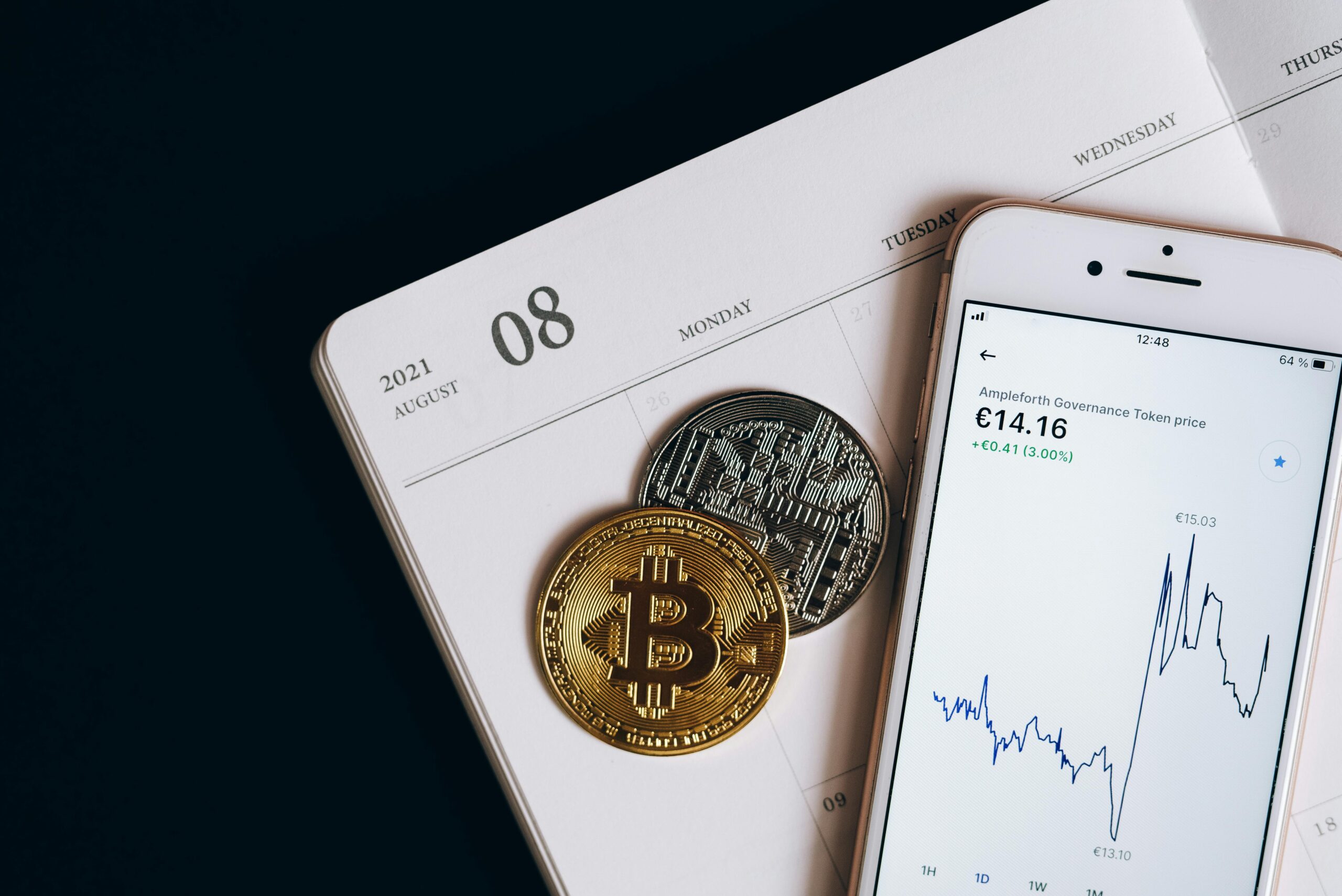
Digital currency security has become paramount as cyber threats evolve. Smart wallets offer cutting-edge protection features that safeguard your cryptocurrency investments from unauthorized access and potential losses.

🔐 Understanding the Evolution of Smart Wallet Security
The cryptocurrency landscape has transformed dramatically over the past decade, and with it, the security requirements for digital asset storage have become increasingly sophisticated. Smart wallets represent the next generation of cryptocurrency storage solutions, combining convenience with military-grade security protocols that adapt to emerging threats in real-time.
Traditional cryptocurrency wallets primarily focused on basic encryption and password protection. However, as hackers developed more sophisticated attack vectors, the industry recognized the need for multi-layered security architectures. Smart wallets emerged as the answer, integrating artificial intelligence, biometric authentication, and blockchain-based security measures to create virtually impenetrable digital fortresses for your assets.
The shift toward smart wallets isn’t merely about adding more features—it’s about creating an ecosystem where security becomes proactive rather than reactive. These advanced systems monitor transaction patterns, detect anomalies, and can even prevent unauthorized transfers before they occur, providing users with unprecedented control over their digital wealth.
Multi-Signature Authentication: Your Digital Security Council
One of the most powerful security features in modern smart wallets is multi-signature authentication, commonly known as multisig. This technology requires multiple private keys to authorize a transaction, effectively distributing control across several parties or devices. Think of it as needing multiple keys to open a bank vault rather than relying on a single point of failure.
Multisig wallets can be configured in various arrangements, such as 2-of-3, 3-of-5, or any combination that suits your security needs. For instance, a 2-of-3 setup means you create three private keys, but only two are needed to approve a transaction. This configuration provides redundancy—if you lose one key, you can still access your funds. Simultaneously, it prevents unauthorized access because stealing a single key isn’t sufficient to compromise your assets.
Business applications of multisig technology are particularly compelling. Companies can distribute signing authority among executives, requiring consensus before large transfers occur. This approach not only enhances security but also creates an audit trail and prevents insider threats, making it an essential feature for corporate cryptocurrency management.
Implementing Multisig in Your Security Strategy
When implementing multi-signature authentication, consider your specific threat model and operational requirements. Individual users might opt for a 2-of-3 configuration with keys stored on different devices and locations. One key could reside on your primary smartphone, another on a hardware wallet in a safe, and the third with a trusted family member or in a bank deposit box.
The beauty of this system lies in its flexibility and resilience. Even if your phone is stolen or your hardware wallet malfunctions, your assets remain secure and accessible. This redundancy eliminates the single point of failure that has plagued traditional wallet solutions and caused countless users to lose access to their funds permanently.
🛡️ Biometric Security: Your Body as the Ultimate Password
Biometric authentication has revolutionized smart wallet security by leveraging unique physical characteristics that cannot be easily replicated or stolen. Modern smart wallets integrate fingerprint scanning, facial recognition, and even iris scanning to ensure that only the legitimate owner can access their digital assets.
Unlike traditional passwords that can be phished, guessed, or intercepted, biometric data provides a level of security that’s intrinsically tied to your physical presence. Advanced smart wallets store biometric templates using secure enclave technology, meaning the actual biometric data never leaves your device and cannot be extracted even if the device is compromised.
The convenience factor cannot be overstated. Biometric authentication eliminates the need to remember complex passwords or carry physical tokens. A simple fingerprint scan or facial recognition check grants immediate access while maintaining the highest security standards. This seamless experience encourages users to enable security features rather than disabling them for convenience, ultimately creating a more secure ecosystem.
Layering Biometrics with Traditional Security
The most secure smart wallets don’t rely exclusively on biometrics but instead use them as part of a layered security approach. A typical authentication flow might require biometric verification for everyday transactions below a certain threshold, while larger transfers trigger additional security checks including PIN verification, email confirmation, or time-delayed execution.
This tiered approach balances security with usability, ensuring that routine operations remain frictionless while high-value transactions receive appropriate scrutiny. Some advanced implementations even employ behavioral biometrics, analyzing typing patterns, touch pressure, and device handling characteristics to create a continuous authentication profile that detects unauthorized use even after initial login.
Hardware Security Modules: The Fort Knox of Crypto Storage
Hardware security modules (HSMs) represent the gold standard in cryptocurrency storage, providing air-gapped security that isolates private keys from internet-connected devices. Smart wallets that integrate with hardware security modules offer the perfect balance between cold storage security and hot wallet accessibility.
These specialized devices store cryptographic keys in tamper-resistant hardware that actively defends against physical and remote attacks. If someone attempts to physically breach the device, it automatically erases sensitive data. This self-destruct mechanism ensures that even sophisticated attackers with physical access cannot extract your private keys.
Modern hardware security modules have evolved beyond simple USB devices. Some resemble credit cards with built-in screens and buttons, while others integrate Bluetooth connectivity for wireless authentication. Despite these conveniences, the fundamental security principle remains unchanged: private keys never leave the secure hardware environment, and all transaction signing occurs within the protected enclave.
Choosing the Right Hardware Solution
When selecting a hardware security module for your smart wallet, consider factors beyond mere security specifications. User experience matters significantly because inconvenient security often leads to poor security practices. Look for devices with intuitive interfaces, clear transaction verification screens, and backup mechanisms that don’t compromise security.
Compatibility is another crucial consideration. Ensure your chosen hardware module supports the cryptocurrencies you hold and integrates seamlessly with your preferred smart wallet software. Some devices offer broader ecosystem support, while others specialize in specific blockchains, providing optimized security features tailored to those networks.
🔍 AI-Powered Threat Detection and Prevention
Artificial intelligence has become a game-changer in smart wallet security, providing predictive threat detection that identifies suspicious activities before they result in losses. Machine learning algorithms analyze transaction patterns, device behavior, and network activity to establish baseline norms for each user, then flag deviations that might indicate compromise.
These intelligent systems can detect subtle indicators of account takeover attempts, such as login attempts from unusual geographic locations, changes in transaction timing patterns, or connections from devices with suspicious security profiles. When anomalies are detected, the system can automatically implement protective measures ranging from additional authentication requirements to temporary account freezes.
The adaptive nature of AI security means that protection improves over time as the system learns more about your specific usage patterns. Unlike static rule-based systems that hackers can study and circumvent, machine learning models create moving targets that continuously evolve, making it exponentially more difficult for attackers to succeed.
Real-Time Transaction Analysis
Advanced smart wallets employ AI to analyze each transaction in real-time before execution. The system evaluates factors including recipient address reputation, transaction amount relative to historical patterns, and timing context. If you typically make small transactions during business hours, a large transfer initiated at 3 AM to an unknown address would trigger immediate verification requirements.
Some implementations integrate blockchain analysis tools that screen recipient addresses against known scam databases, sanctioned entities, and compromised wallets. This proactive screening prevents users from inadvertently sending funds to fraudulent addresses, providing an additional safety net against social engineering attacks and phishing schemes.
Time-Locked Transactions and Recovery Mechanisms
One of the most innovative security features in modern smart wallets is the implementation of time-locked transactions for high-value transfers. This mechanism introduces a mandatory waiting period between transaction initiation and execution, creating a window for fraud detection and cancellation if unauthorized activity is detected.
Users can configure time locks based on transaction values—small transfers execute immediately, while larger amounts might have 24-hour or 48-hour delays. During this waiting period, the wallet monitors for any signs of account compromise and allows the legitimate owner to cancel suspicious transactions through secondary authentication channels.
Recovery mechanisms have also evolved significantly. Social recovery systems allow users to designate trusted contacts who can collectively help restore access if the primary authentication methods fail. These “guardians” hold encrypted key shards that individually reveal nothing but can be combined to restore account access through a predetermined threshold scheme.
Inheritance and Emergency Access Planning
Smart wallets increasingly incorporate inheritance planning features that ensure your digital assets can be transferred to designated beneficiaries without compromising security during your lifetime. These systems use dead man’s switches that require periodic check-ins; failure to respond after multiple attempts triggers a gradual access transfer process to designated heirs.
Emergency access protocols provide similar functionality for temporary incapacitation scenarios. Trusted individuals can initiate emergency access requests that grant limited account visibility or control after a predefined delay, ensuring that your assets remain accessible during crises while maintaining security safeguards against abuse.
🌐 Decentralized Identity and Zero-Knowledge Proofs
The integration of decentralized identity systems represents a paradigm shift in how smart wallets authenticate users and authorize transactions. Rather than relying on centralized authorities to verify identity, these systems use blockchain-based credentials that users control completely, eliminating honeypots of personal information that attract hackers.
Zero-knowledge proofs enable smart wallets to verify transaction legitimacy without revealing sensitive information. You can prove you have sufficient funds, meet age requirements, or satisfy other conditions without disclosing actual balances, personal details, or transaction history. This privacy-preserving technology maintains security while protecting user anonymity.
These cryptographic protocols are particularly valuable for compliance scenarios. Smart wallets can demonstrate regulatory adherence—proving transactions fall within legal limits or don’t involve sanctioned parties—without exposing complete financial records to authorities or service providers, striking a balance between privacy and accountability.
Secure Communication Channels and End-to-End Encryption
Modern smart wallets implement multiple layers of encryption to protect data both at rest and in transit. All communications between your device and blockchain networks pass through encrypted tunnels that prevent man-in-the-middle attacks, ensuring that transaction data cannot be intercepted or modified during transmission.
End-to-end encryption extends to backup systems and multi-device synchronization. When you back up your wallet or sync across devices, the data remains encrypted with keys only you possess. Even the service providers facilitating these features cannot access your information, eliminating trust requirements and potential vulnerability points.
Some advanced implementations use Tor or similar anonymization networks to mask IP addresses and prevent transaction correlation. This additional privacy layer makes it significantly more difficult for adversaries to build comprehensive profiles of your cryptocurrency activities or identify you as a target for sophisticated attacks.
⚙️ Regular Security Audits and Open-Source Transparency
The most trustworthy smart wallets embrace transparency through open-source development and regular third-party security audits. Open-source code allows the global security community to review implementation details, identify vulnerabilities, and verify that no backdoors or malicious features exist within the software.
Independent security audits from reputable firms provide additional assurance that the wallet’s security claims are legitimate. These comprehensive assessments examine cryptographic implementations, key management systems, network security protocols, and potential attack vectors, publishing findings that allow users to make informed decisions about their security tools.
Bug bounty programs incentivize security researchers to identify and responsibly disclose vulnerabilities before malicious actors can exploit them. Leading smart wallet providers offer substantial rewards for critical vulnerability discoveries, creating a collaborative ecosystem where security expertise from around the world contributes to continuous improvement.
🎯 Practical Steps to Maximize Your Smart Wallet Security
Understanding advanced security features is only valuable when coupled with proper implementation. Begin by enabling all available security layers offered by your smart wallet—multisig authentication, biometric verification, transaction confirmations, and time-locked transfers for high-value transactions. While these features might seem excessive initially, they create redundant protection that can save your assets during compromise attempts.
Maintain rigorous device hygiene by keeping your operating system and wallet software updated with the latest security patches. Enable automatic updates where possible, as vulnerabilities are often exploited quickly after public disclosure. Use dedicated devices for high-value cryptocurrency management, avoiding multi-purpose phones or computers that may be exposed to greater malware risks.
Practice operational security by never sharing seed phrases, private keys, or authentication credentials through digital channels. Legitimate support personnel will never request this information. Store backup materials in physically secure locations, preferably distributed across multiple geographic locations to protect against localized disasters or theft.
Regularly review transaction history and security logs provided by your smart wallet. Familiarize yourself with normal activity patterns so you can quickly identify anomalies. Set up alert notifications for all transactions, account changes, and security events, ensuring you receive immediate warnings about any unusual activity.

The Future Landscape of Smart Wallet Security
The evolution of smart wallet security continues to accelerate as quantum computing, advanced AI, and new cryptographic techniques emerge. Quantum-resistant cryptography is already being integrated into forward-thinking wallet solutions, preparing for the day when current encryption standards may become vulnerable to quantum computing attacks.
Behavioral analytics will become increasingly sophisticated, creating highly personalized security profiles that detect compromise attempts with minimal false positives. These systems will learn not just your transaction patterns but your decision-making processes, identifying unauthorized access even when attackers possess all traditional authentication credentials.
Interoperability between different blockchain networks and wallet systems will improve, allowing seamless security feature portability. Your identity verification, reputation scores, and security configurations will move with you across platforms, eliminating the need to repeatedly establish trust relationships and security protocols with each new service.
The convergence of traditional finance and cryptocurrency will drive standardization of security best practices, with regulatory frameworks establishing baseline security requirements for wallet providers. This evolution will increase user protection while potentially creating new challenges for privacy-focused implementations, requiring ongoing innovation to balance security, privacy, and compliance.
As the cryptocurrency ecosystem matures, smart wallets will increasingly integrate insurance mechanisms and recovery protocols that protect users even when security measures fail. These safety nets will make digital asset ownership more accessible to mainstream users who may lack technical security expertise but deserve robust protection nonetheless.
Your cryptocurrency security ultimately depends on the tools you choose and how you use them. Smart wallets with advanced security features provide unprecedented protection, but they require active engagement and informed decision-making. By understanding and implementing these sophisticated security measures, you transform your digital asset storage from a potential vulnerability into an impregnable fortress that preserves your wealth across the evolving threat landscape.