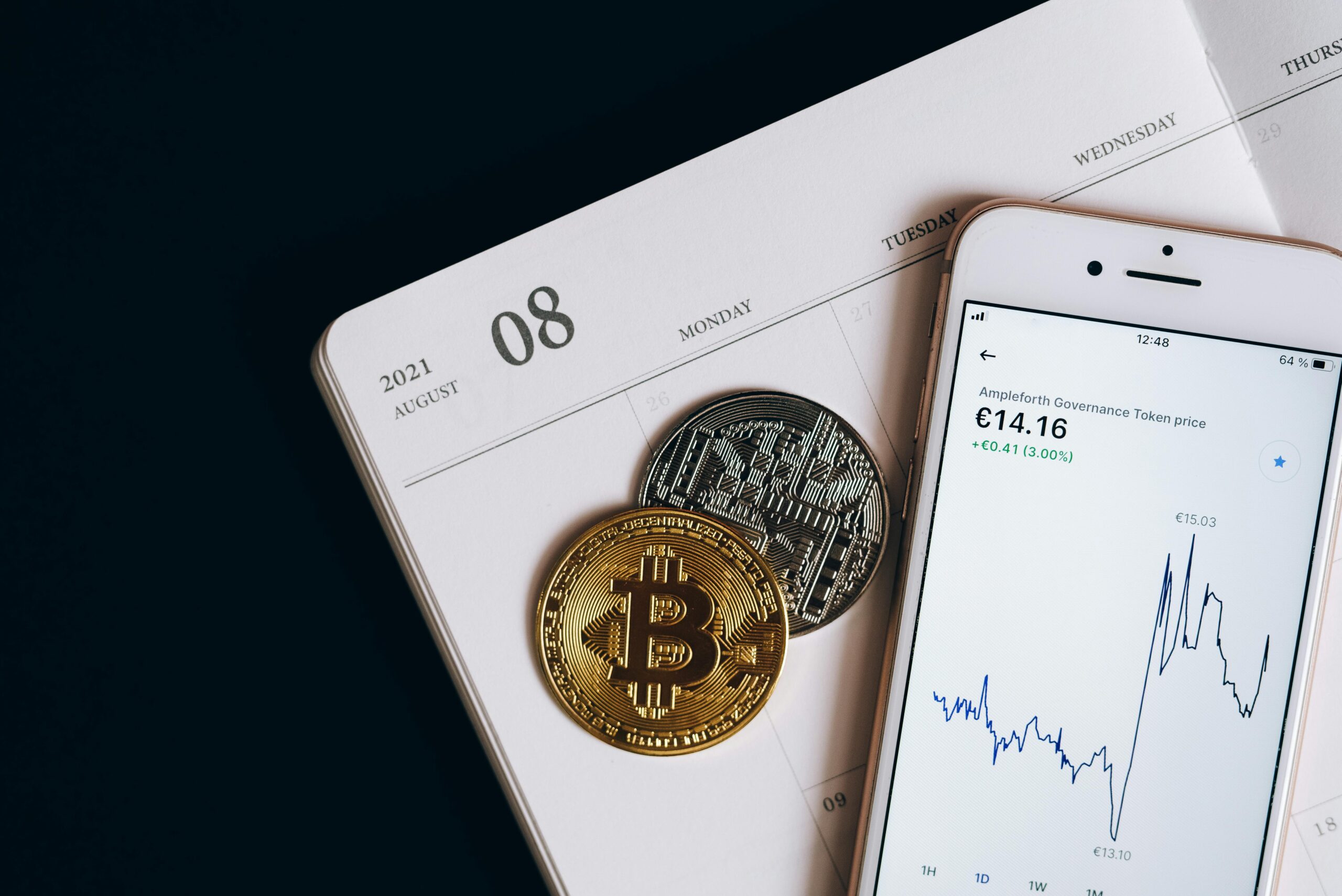
Real-world asset tokenization is transforming how investors access and trade physical assets, breaking down traditional barriers and creating unprecedented opportunities in global markets.

🌐 The Digital Revolution of Physical Assets
The investment landscape is undergoing a fundamental transformation. For centuries, valuable physical assets like real estate, fine art, commodities, and infrastructure have remained largely inaccessible to everyday investors due to high entry costs, geographic limitations, and complex legal frameworks. Blockchain technology and tokenization are dismantling these barriers, creating a new paradigm where virtually any asset can be divided into digital tokens and traded on decentralized platforms.
Tokenization converts the ownership rights of real-world assets into digital tokens on a blockchain. Each token represents a fractional or complete ownership stake in the underlying asset, recorded immutably on a distributed ledger. This process democratizes investment opportunities while maintaining security, transparency, and regulatory compliance.
The market potential is staggering. According to industry reports, the tokenized asset market could reach trillions of dollars in value over the next decade. From luxury watches and vintage wines to commercial properties and government bonds, virtually any asset with established value can be tokenized and made available to global investors through secure digital platforms.
💎 Breaking Down Traditional Investment Barriers
Traditional investment in high-value assets has historically been reserved for institutional investors and high-net-worth individuals. A commercial property worth millions of dollars, for instance, requires substantial capital, extensive due diligence, and often exclusive network access. These barriers exclude the vast majority of potential investors from participating in potentially lucrative markets.
Tokenization fundamentally changes this dynamic through fractional ownership. A property worth ten million dollars can be divided into ten million tokens, each representing a one-dollar stake. This granular division allows retail investors to participate with modest amounts while maintaining proportional benefits including rental income, appreciation, and voting rights.
Geographic limitations also dissolve through tokenization. An investor in Brazil can easily own fractions of commercial real estate in New York, art collections in Paris, or renewable energy projects in Singapore. The blockchain infrastructure enables seamless cross-border transactions without the traditional complexities of international real estate law, currency conversion challenges, or intermediary fees.
Enhanced Liquidity in Traditionally Illiquid Markets
Liquidity has always been a critical challenge for real-world asset investment. Selling a property, artwork, or private equity stake typically requires months of negotiation, extensive paperwork, and significant transaction costs. This illiquidity locks capital and creates pricing inefficiencies.
Tokenized assets trade on secondary markets with far greater efficiency. Digital tokens can be bought and sold 24/7 on specialized platforms, providing near-instant liquidity compared to traditional asset sales. This increased liquidity attracts more participants, improves price discovery, and creates more efficient markets overall.
Smart contracts automate many aspects of asset management and transaction execution. Rental income from tokenized real estate can be automatically distributed to all token holders proportionally. Dividend payments, voting procedures, and compliance checks can all be programmed into the token’s underlying code, reducing administrative overhead and human error.
🏢 Real-World Applications Transforming Industries
The practical applications of asset tokenization span numerous industries, each experiencing unique benefits from this technological innovation. Understanding these use cases illustrates the breadth and depth of the tokenization revolution.
Real Estate: Democratizing Property Investment
Real estate tokenization represents perhaps the most mature and promising application. Properties worldwide are being divided into digital tokens, allowing investors to build diversified real estate portfolios without requiring millions in capital. Commercial buildings, residential developments, hotels, and even agricultural land are being tokenized.
A luxury apartment building in Manhattan, historically accessible only to institutional investors or ultra-wealthy individuals, can now be partially owned by hundreds or thousands of global investors. Each receives proportional rental income, benefits from property appreciation, and can exit their position by selling tokens on secondary markets.
This model also benefits property developers and owners. Tokenization provides new funding mechanisms beyond traditional bank loans or equity partnerships. Developers can raise capital more efficiently while maintaining greater control over their projects. Property owners can unlock liquidity from appreciated assets without traditional sale processes.
Art and Collectibles: Fractional Masterpiece Ownership
The fine art market, notorious for its opacity and exclusivity, is being transformed through tokenization. Masterpiece paintings, rare sculptures, and valuable collectibles are being fractionalized, allowing art enthusiasts and investors to own shares of works previously confined to museums and private collections.
This democratization doesn’t diminish the cultural value of art; rather, it increases engagement and appreciation. Token holders gain fractional ownership rights and can participate in decisions about exhibition, conservation, and eventual sale. The blockchain ledger provides unprecedented provenance tracking, combating forgery and establishing clear ownership histories.
Rare collectibles including vintage automobiles, fine wines, rare whiskeys, luxury watches, and sports memorabilia are similarly being tokenized. Collectors can diversify across multiple high-value items rather than concentrating capital in single pieces, while maintaining the pleasure of partial ownership in exceptional items.
Infrastructure and Commodities
Large-scale infrastructure projects—renewable energy installations, transportation systems, telecommunications networks—require massive capital investments traditionally funded through government budgets or institutional bonds. Tokenization creates alternative funding mechanisms while distributing returns to broader investor bases.
A solar farm project can be tokenized, with investors purchasing tokens representing fractional ownership. As the facility generates electricity and revenue, token holders receive proportional returns. This model aligns investor interests with sustainable development while democratizing access to infrastructure investment opportunities.
Physical commodities including precious metals, agricultural products, and energy resources can also be tokenized. Gold tokens backed by physical bullion in secure vaults, for example, combine the investment benefits of gold ownership with the transactional convenience of digital assets.
🔐 Technology Foundation: Blockchain and Smart Contracts
The tokenization revolution depends fundamentally on blockchain technology and smart contracts. Understanding these underlying mechanisms helps investors appreciate both the opportunities and considerations involved in tokenized asset investment.
Blockchain provides the distributed ledger infrastructure that records token ownership immutably and transparently. Every transaction, transfer, and ownership change is permanently recorded across multiple network nodes, creating a tamper-resistant history. This transparency reduces fraud risk while maintaining appropriate privacy through cryptographic techniques.
Smart contracts are self-executing programs deployed on blockchain networks. These contracts encode the rules governing tokenized assets: ownership rights, transfer restrictions, income distributions, voting mechanisms, and compliance requirements. Once deployed, smart contracts execute automatically when predefined conditions are met, eliminating intermediary dependencies and reducing costs.
Security Tokens vs. Utility Tokens
Not all tokens are created equal. Security tokens represent ownership stakes in real assets and typically provide rights to income, appreciation, and sometimes governance participation. These tokens are subject to securities regulations in most jurisdictions, requiring compliance with registration, disclosure, and investor protection rules.
Utility tokens, by contrast, provide access to specific services or platforms rather than representing ownership stakes. While some tokenization platforms use utility tokens for platform operations, true real-world asset tokenization primarily involves security tokens with their associated regulatory frameworks.
This regulatory distinction is crucial. Security tokens offer investor protections including disclosure requirements, fraud prevention mechanisms, and recourse procedures. Platforms facilitating security token transactions must typically register as securities exchanges or broker-dealers, ensuring appropriate oversight and investor safeguards.
📊 Investment Advantages and Risk Considerations
Like all investment innovations, real-world asset tokenization presents both compelling advantages and considerations that prudent investors must evaluate carefully.
Key Investment Benefits
- Accessibility: Lower minimum investments enable participation in previously exclusive asset classes
- Diversification: Fractional ownership allows portfolio diversification across multiple assets and geographies
- Liquidity: Secondary market trading provides exit options superior to traditional real asset sales
- Transparency: Blockchain records create clear ownership histories and transaction trails
- Reduced Costs: Automated processes and disintermediation lower transaction and management fees
- Global Access: Borderless platforms connect international investors with worldwide assets
- Programmable Compliance: Smart contracts enforce regulatory requirements automatically
Risk Factors and Mitigation Strategies
Despite significant advantages, tokenized asset investment involves risks requiring careful consideration. Regulatory uncertainty remains a primary concern. While many jurisdictions are developing frameworks for security tokens, regulations continue evolving and vary significantly across countries. Investors should ensure platforms maintain appropriate licensing and compliance protocols.
Technology risks include smart contract vulnerabilities, blockchain network issues, and cybersecurity threats. Reputable platforms conduct extensive security audits, implement multi-signature wallet protections, and maintain insurance coverage against technical failures. Investors should evaluate platform security measures thoroughly before committing capital.
Liquidity, while generally improved through tokenization, isn’t guaranteed. Secondary market depth depends on platform adoption and investor interest. Niche assets may experience limited trading volumes, potentially complicating exit strategies. Understanding liquidity characteristics for specific token offerings is essential.
Asset valuation presents another consideration. Unlike publicly traded securities with continuous pricing, many tokenized real assets require periodic appraisals. Valuation methodologies, appraisal frequency, and price discovery mechanisms vary across platforms and asset types. Transparent valuation processes and independent appraisals help mitigate valuation concerns.
🚀 The Future Landscape of Tokenized Investment
The tokenization revolution is still in its early stages, with tremendous growth and innovation anticipated in coming years. Several trends are shaping the future of this emerging investment landscape.
Institutional adoption is accelerating. Major financial institutions, investment banks, and asset managers are developing tokenization platforms and products. This institutional involvement brings capital, credibility, and infrastructure development that will accelerate market maturation.
Regulatory frameworks are crystallizing. Leading jurisdictions including Switzerland, Singapore, and several U.S. states have established clear regulatory pathways for security tokens. As regulatory certainty increases, more traditional investors and institutions will participate, expanding market depth and sophistication.
Interoperability between blockchain networks is improving. Cross-chain protocols enable tokens issued on one blockchain to interact with assets and platforms on other networks, increasing liquidity and reducing fragmentation. This technical evolution will create more seamless and efficient tokenized asset markets.
Integration with Traditional Finance
Rather than replacing traditional financial systems, tokenization is increasingly integrating with existing infrastructure. Major stock exchanges are developing security token trading platforms. Traditional custodians are offering digital asset custody services. Banks are exploring tokenized bond issuances and loan collateralization using tokenized assets.
This integration creates hybrid models combining blockchain innovation with established financial system stability and regulatory compliance. Such approaches may accelerate mainstream adoption by reducing perceived risks and leveraging familiar institutional frameworks.
Central bank digital currencies (CBDCs) may further catalyze tokenization adoption. As governments develop digital currency infrastructure, interoperability with tokenized assets could create seamless digital financial ecosystems where asset ownership, transactions, and settlements occur entirely on blockchain networks.
🎯 Getting Started with Tokenized Asset Investment
For investors interested in exploring tokenized real-world assets, a methodical approach ensures informed decision-making and appropriate risk management.
Begin with education. Understanding blockchain fundamentals, tokenization mechanisms, and specific asset classes helps evaluate opportunities effectively. Numerous resources including industry publications, platform educational materials, and professional advisors can provide necessary knowledge foundations.
Research platforms thoroughly. Evaluate regulatory compliance, security measures, track records, fee structures, and supported asset types. Reputable platforms maintain transparent operations, appropriate licensing, insurance coverage, and clear investor protections. Reading user reviews and seeking professional recommendations helps identify reliable platforms.
Start small and diversify. Initial investments should represent modest portfolio allocations while you gain experience with tokenized assets. Diversification across multiple assets, platforms, and geographic locations reduces concentration risk and provides exposure to different market segments.
Understand tax implications. Tokenized asset taxation varies by jurisdiction and asset type. Consulting with tax professionals familiar with digital assets ensures compliance and optimal tax treatment. Maintaining detailed transaction records facilitates accurate tax reporting.
Monitor investments regularly but avoid emotional reactions to short-term volatility. Tokenized assets, particularly those representing real property or physical items, should generally be evaluated over medium to long-term horizons. Regular portfolio reviews ensure alignment with investment objectives and risk tolerance.
💡 Transforming Investment Democracy
Real-world asset tokenization represents far more than technological innovation—it embodies a fundamental democratization of investment opportunity. By breaking down traditional barriers of capital, geography, and access, tokenization enables broader participation in wealth creation and asset ownership.
This democratization carries significant social implications. Wealth generation through real asset ownership, historically concentrated among privileged groups, becomes accessible to wider populations. Small investors can build diversified portfolios including real estate, art, infrastructure, and commodities previously beyond their reach.
The transparency inherent in blockchain systems also promotes market integrity. Clear ownership records, immutable transaction histories, and automated compliance reduce fraud opportunities while increasing accountability. These characteristics may gradually shift investment culture toward greater transparency and fairness.
As the tokenization ecosystem matures, continued innovation will unlock additional asset classes and investment strategies. From intellectual property and royalty streams to carbon credits and social impact projects, virtually any asset with established value can potentially be tokenized and made available to global investors.
The revolution is well underway. Forward-thinking investors who understand tokenization mechanics, evaluate opportunities carefully, and participate thoughtfully stand to benefit from this transformative shift in how humanity owns, trades, and derives value from real-world assets. The future of investment is being written on blockchain ledgers, one token at a time, creating unprecedented opportunities for value creation and financial inclusion.
Whether you’re seeking portfolio diversification, passive income opportunities, or simply participation in cutting-edge financial innovation, real-world asset tokenization offers compelling possibilities worth serious consideration. The barriers are falling, the technology is maturing, and the investment landscape is being permanently transformed.