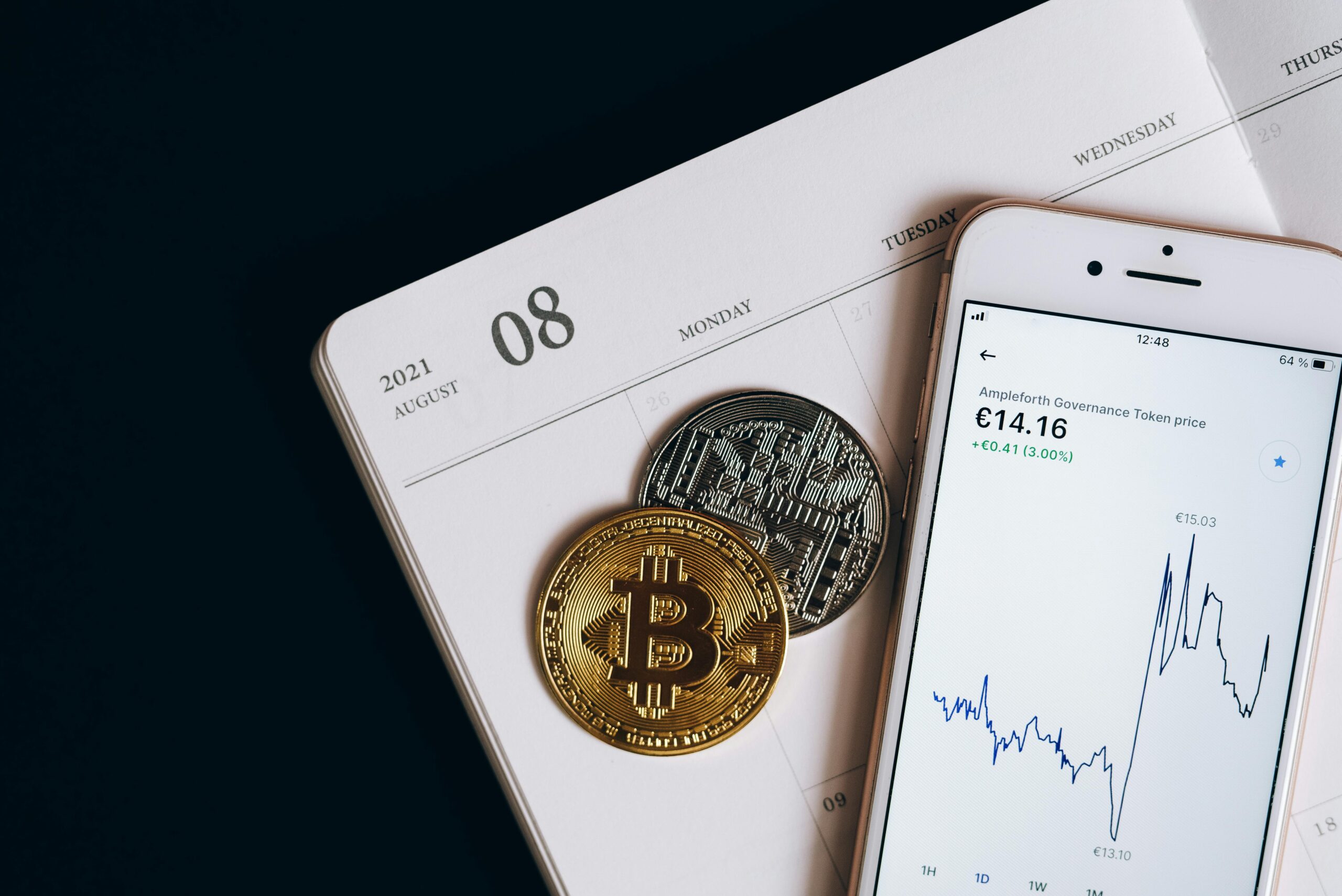
Blockchain technology is transforming retail by introducing unprecedented levels of transparency, security, and trust into every transaction, fundamentally changing how consumers shop and interact with brands.

🔗 The Digital Revolution Reshaping Retail Landscapes
The retail industry stands at a pivotal crossroads where traditional commerce meets cutting-edge technology. Blockchain, the distributed ledger technology that powers cryptocurrencies, is now making significant inroads into retail operations. This technological shift promises to address long-standing consumer concerns about product authenticity, ethical sourcing, and data privacy while simultaneously streamlining supply chain operations and reducing fraud.
For decades, shoppers have had to take retailers at their word when it came to product origins, manufacturing conditions, and supply chain integrity. The opacity of traditional retail systems has allowed counterfeits to flourish, ethical violations to remain hidden, and consumer trust to erode. Blockchain technology offers a solution by creating immutable, transparent records that anyone can verify but no single entity can manipulate.
Understanding Blockchain’s Core Value in Retail
At its essence, blockchain creates a decentralized database where information is stored across multiple computers rather than in a single location. Each transaction or piece of data is recorded as a “block” that links to previous blocks, forming an unbreakable chain of information. This structure makes it virtually impossible to alter historical records without detection, providing a foundation of trust that traditional databases cannot match.
In retail contexts, this means every step of a product’s journey—from raw material sourcing to manufacturing, shipping, warehousing, and final sale—can be recorded permanently and transparently. Consumers can scan a product code and instantly access its complete history, verifying authenticity and ethical compliance in seconds rather than taking claims on faith.
The Transparency Advantage 🔍
Transparency has become a non-negotiable demand for modern consumers, particularly among younger demographics who prioritize ethical consumption. A recent study found that 73% of millennials are willing to pay more for products from sustainable and transparent brands. Blockchain directly addresses this demand by providing verifiable proof rather than marketing claims.
Consider luxury goods, an industry plagued by counterfeits that cost legitimate businesses billions annually. By implementing blockchain verification systems, brands like LVMH and Prada have created digital certificates of authenticity that travel with their products. Each handbag, watch, or piece of jewelry receives a unique blockchain identifier that proves its provenance and ownership history, effectively eliminating the counterfeit market.
Supply Chain Visibility From Source to Store
The modern retail supply chain involves dozens of intermediaries spanning multiple countries and continents. This complexity creates opportunities for unethical practices, contamination, delays, and fraud to occur without detection. Blockchain brings unprecedented visibility to these intricate networks.
Major retailers like Walmart have pioneered blockchain implementation for food safety. Their system tracks produce from farm to shelf, recording every handling point, temperature reading, and inspection result. When contamination occurs, what once took weeks to trace now takes seconds, allowing swift removal of affected products and potentially saving lives.
Real-Time Tracking Benefits
Traditional supply chain tracking relies on fragmented systems where different parties maintain separate records that may not communicate effectively. Blockchain creates a single source of truth that all authorized parties can access simultaneously. This eliminates discrepancies, reduces paperwork, and accelerates problem resolution.
For consumers, this translates into accurate delivery estimates, real-time shipment tracking, and confidence that products have been handled properly throughout their journey. For retailers, it means reduced losses from spoilage, theft, and administrative errors while simultaneously improving customer satisfaction.
🛡️ Combating Counterfeit Products and Fraud
The global counterfeit market represents a trillion-dollar problem that damages brand reputation, deprives governments of tax revenue, and sometimes endangers consumer safety. Pharmaceuticals, electronics, cosmetics, and fashion items are particularly vulnerable to counterfeiting.
Blockchain-based authentication systems make counterfeiting exponentially more difficult. Each genuine product receives a unique digital identity stored on the blockchain at the point of manufacture. This identifier can be verified by consumers using smartphone apps that confirm authenticity instantly. Counterfeiters cannot replicate these blockchain records, making fake products easily identifiable.
VeChain, a blockchain platform specifically designed for supply chain management, has partnered with numerous brands to implement anti-counterfeiting solutions. Their system uses NFC chips or QR codes embedded in products that link to blockchain records containing manufacturing details, quality certifications, and ownership history.
Protecting Pharmaceutical Integrity
Counterfeit medications pose serious health risks and undermine trust in healthcare systems. The World Health Organization estimates that one in ten medical products in developing countries is substandard or falsified. Blockchain verification systems for pharmaceuticals ensure that medications are genuine, properly stored, and not expired.
Companies like MediLedger have created blockchain networks specifically for pharmaceutical supply chains, enabling verification at every step from manufacturer to pharmacy. This protects patients while helping pharmaceutical companies comply with serialization regulations that require unique identifiers on drug packages.
Ethical Sourcing and Sustainability Verification
Modern consumers increasingly demand proof that products are sourced ethically and sustainably. Claims about fair trade, organic certification, conflict-free minerals, and humane treatment remain difficult to verify through traditional means. Blockchain provides the verification infrastructure these claims require.
The diamond industry offers a compelling example. Conflict diamonds, also called blood diamonds, have funded violence and human rights abuses. De Beers launched Tracr, a blockchain platform that tracks diamonds from mine to retail, certifying that stones are conflict-free and ethically sourced. Each diamond’s journey is permanently recorded, providing consumers with verifiable proof of ethical origins.
Fashion Industry Transformation 👗
Fast fashion has faced increasing scrutiny over environmental damage and labor exploitation. Blockchain enables fashion brands to prove their ethical credentials by documenting every step of garment production. Consumers can verify that cotton was organically grown, that workers received fair wages, and that manufacturing processes met environmental standards.
Brands like Arianee have developed blockchain solutions specifically for luxury fashion and jewelry, creating digital passports for products that contain complete lifecycle information. These passports enhance resale value by providing verifiable authenticity and care history, supporting the growing market for pre-owned luxury goods.
Revolutionizing Customer Loyalty Programs 🎁
Traditional loyalty programs suffer from fragmentation, limited utility, and vulnerability to fraud. Points earned at one retailer typically cannot be used elsewhere, creating silos that limit consumer value. Blockchain technology enables interoperable loyalty programs where points become digital assets that can be traded, combined, or converted across multiple retailers.
Singapore Airlines launched KrisPay, a blockchain-based digital wallet that converts frequent flyer miles into cryptocurrency that can be spent at partner merchants. This innovation increases the practical value of loyalty rewards while reducing administrative costs for the airline and its partners.
Blockchain loyalty programs also eliminate point expiration issues, reduce fraud through cryptographic security, and provide real-time point balance updates. For retailers, these systems offer detailed analytics on customer behavior while reducing the infrastructure costs associated with traditional programs.
Enhanced Data Privacy and Security
Data breaches have become alarmingly common in retail, compromising customer payment information and personal data. Traditional centralized databases create attractive targets for hackers, who gain access to millions of records through a single breach. Blockchain’s decentralized structure eliminates this single point of failure.
In blockchain-based retail systems, customer data can be encrypted and distributed across the network rather than stored in vulnerable central repositories. Customers maintain control over their personal information, granting access selectively rather than surrendering it entirely. This approach aligns with increasing privacy regulations like GDPR while reducing retailers’ liability exposure.
Payment Innovation and Security 💳
Blockchain enables new payment methods that reduce transaction fees while increasing security. Cryptocurrency payments eliminate intermediaries like credit card processors, reducing costs for retailers and potentially lowering prices for consumers. Smart contracts can automate payment release based on delivery confirmation, protecting both parties in transactions.
Beyond cryptocurrency, blockchain can secure traditional payment methods by creating immutable transaction records that prevent fraud and simplify dispute resolution. The transparency of blockchain records makes fraudulent chargebacks easier to identify and contest, reducing losses for merchants.
Smart Contracts Automating Retail Operations
Smart contracts are self-executing agreements with terms written directly into code. When predetermined conditions are met, the contract automatically executes without human intervention. This automation reduces costs, eliminates delays, and removes opportunities for disputes.
In retail contexts, smart contracts can automatically release payment to suppliers when shipments arrive, trigger reorders when inventory falls below specified levels, or issue refunds when return conditions are met. These automated processes reduce administrative overhead while ensuring consistent policy application.
Insurance claims provide another application. When blockchain-tracked shipments show damage or delay, smart contracts can automatically process claims and issue compensation without lengthy review processes. This speeds resolution and improves customer satisfaction while reducing administrative costs.
Challenges and Implementation Considerations ⚠️
Despite its transformative potential, blockchain adoption in retail faces significant challenges. The technology requires substantial initial investment in infrastructure and training. Integration with existing systems can be complex and costly. Scalability concerns arise when blockchain networks must handle millions of transactions quickly.
Energy consumption represents another consideration, particularly for proof-of-work blockchain systems that require intensive computing. Newer consensus mechanisms like proof-of-stake address these concerns but require careful implementation. Regulatory uncertainty also creates hesitation, as governments worldwide develop frameworks for blockchain governance.
Overcoming Adoption Barriers
Successful blockchain implementation requires collaboration across the entire supply chain. Individual retailers cannot create blockchain solutions alone—suppliers, manufacturers, logistics providers, and even competitors must participate in shared networks. Building these coalitions requires significant coordination and trust-building.
Education represents another critical factor. Consumers and retail employees need to understand blockchain benefits to drive adoption. User interfaces must be intuitive enough for non-technical users to access blockchain features without complexity barriers. Industry standards and interoperability protocols will be essential for widespread adoption.
The Future of Blockchain-Enabled Shopping Experiences 🚀
As blockchain technology matures and adoption accelerates, the shopping experience will continue evolving in profound ways. Augmented reality applications could allow customers to scan products in-store and instantly access complete blockchain-verified histories. Virtual showrooms could display digital twins of products with embedded blockchain credentials.
Personalization will reach new levels as customers control their own data through blockchain identities, selectively sharing information with retailers in exchange for tailored experiences and rewards. Peer-to-peer marketplaces could eliminate traditional intermediaries entirely, with blockchain providing the trust infrastructure that enables direct transactions between individuals.
The convergence of blockchain with other emerging technologies like artificial intelligence, Internet of Things sensors, and 5G connectivity will create retail experiences we can barely imagine today. Products might automatically reorder themselves when depleted, with smart contracts handling payment and delivery. Supply chains could become fully autonomous, with blockchain providing the coordination layer that keeps everything synchronized.

Making Transparency the New Retail Standard
Blockchain technology represents more than just another digital innovation—it fundamentally redefines the relationship between retailers and consumers. By making transparency the default rather than the exception, blockchain addresses consumer demands for authenticity, ethics, and trustworthiness that traditional retail systems cannot adequately meet.
The retailers who recognize this shift and invest in blockchain infrastructure today will gain competitive advantages that compound over time. Enhanced customer trust translates into loyalty, positive word-of-mouth, and premium pricing power. Operational efficiencies reduce costs and improve margins. Brand protection against counterfeits preserves reputation and revenue.
For consumers, blockchain-enabled retail means shopping with confidence, knowing that products are genuine, ethically sourced, and exactly as advertised. It means loyalty rewards that actually provide value, personal data that remains secure, and supply chains visible enough to make informed purchasing decisions aligned with personal values.
The revolution is already underway, with major retailers, brands, and technology companies investing billions in blockchain development. As the technology matures and adoption spreads, transparency will shift from competitive advantage to baseline expectation. The future of retail is transparent, secure, and blockchain-powered—and that future is arriving faster than most realize. The question is no longer whether blockchain will transform retail, but how quickly retailers will adapt to this new paradigm of trust and transparency that consumers increasingly demand.