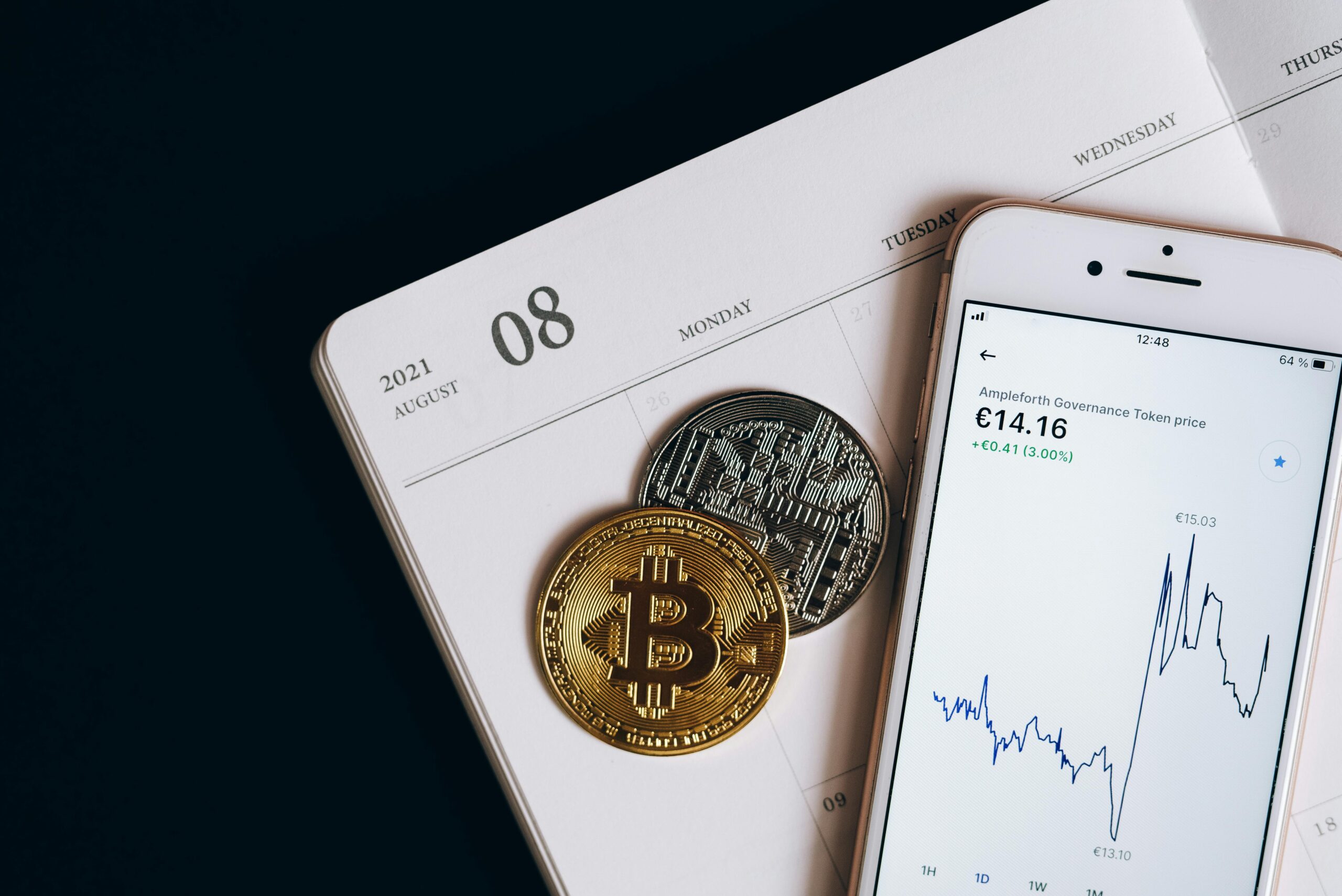
The cryptocurrency landscape has transformed wealth management forever, offering unprecedented opportunities alongside unique challenges that demand strategic planning and informed decision-making for long-term financial security.

🔐 Understanding the Foundation of Crypto Wealth Preservation
Preserving cryptocurrency wealth requires a fundamentally different approach compared to traditional assets. Unlike conventional banking systems with built-in protections and insurance mechanisms, the decentralized nature of digital currencies places complete responsibility on individual holders. This autonomy represents both the greatest strength and potential vulnerability of cryptocurrency ownership.
The irreversible nature of blockchain transactions means that mistakes, hacks, or losses can become permanent without proper safeguards. Understanding this reality forms the cornerstone of any effective wealth preservation strategy. Your digital assets exist in a unique space where you are simultaneously your own bank, security team, and financial advisor.
The volatility inherent in cryptocurrency markets adds another layer of complexity to wealth preservation. While traditional assets experience fluctuations, crypto markets can swing dramatically within hours. This volatility necessitates specialized strategies that balance growth potential with security measures, ensuring your wealth survives market turbulence while capitalizing on opportunities.
🛡️ Essential Security Measures for Protecting Digital Assets
Hardware wallets represent the gold standard for cryptocurrency security. These physical devices store private keys offline, making them immune to online hacking attempts. Leading options like Ledger and Trezor provide military-grade encryption, ensuring your assets remain protected even if your computer becomes compromised. The investment in a quality hardware wallet pays dividends through peace of mind and genuine security.
Multi-signature wallets offer institutional-grade protection for significant holdings. By requiring multiple private keys to authorize transactions, multi-sig wallets eliminate single points of failure. This approach works exceptionally well for family wealth, business holdings, or collaborative investments where multiple stakeholders should approve significant movements of funds.
Software wallet security demands vigilance and regular updates. For assets you actively trade or use frequently, software wallets provide convenience while requiring strict security protocols. Enable two-factor authentication using authenticator apps rather than SMS, which remains vulnerable to SIM-swapping attacks. Regularly update wallet software to patch security vulnerabilities, and never share your seed phrase or private keys with anyone.
Creating Impenetrable Backup Systems
Your seed phrase represents the master key to your cryptocurrency wealth. Write it down on durable materials—metal plates specifically designed for seed phrase storage offer superior protection against fire, water, and physical degradation. Never store seed phrases digitally, including photographs, cloud storage, or password managers connected to the internet.
Geographic distribution of backups provides redundancy against localized disasters. Store copies in multiple secure locations—perhaps a home safe, bank safety deposit box, and trusted family member’s secure storage. This distribution ensures that no single event can eliminate access to your wealth, whether natural disaster, theft, or other unforeseen circumstances.
Consider creating a legacy plan that allows trusted individuals to access your cryptocurrency holdings in emergencies. This delicate balance between security and accessibility requires careful planning. Dead man switches, time-locked multi-signature wallets, or detailed instructions stored with estate planning documents can ensure your wealth transfers according to your wishes without compromising current security.
💼 Diversification Strategies Within the Crypto Ecosystem
Portfolio diversification remains crucial despite operating entirely within cryptocurrency markets. Bitcoin’s established position as digital gold makes it a foundational holding for wealth preservation. Its longest track record, largest market capitalization, and widespread adoption provide relative stability compared to other cryptocurrencies, making it appropriate for the conservative portion of crypto portfolios.
Ethereum and established altcoins offer growth potential with different risk profiles. Ethereum’s smart contract functionality and role in decentralized finance provide utility beyond simple value storage. However, allocating beyond the top cryptocurrencies requires extensive research. Projects with real-world use cases, active development communities, and transparent tokenomics deserve consideration, while purely speculative tokens threaten wealth preservation.
Stablecoins serve strategic functions in wealth preservation strategies. Dollar-pegged tokens like USDC and DAI provide stability during market volatility while maintaining the benefits of blockchain technology—instant transfers, programmatic accessibility, and yield opportunities through decentralized finance protocols. However, understanding the backing mechanisms and risks of different stablecoins remains essential, as not all maintain equal security or reliability.
Balancing Risk Across Market Cycles
Dynamic rebalancing protects wealth during extreme market movements. Establishing target allocations and systematically adjusting holdings as prices fluctuate forces disciplined profit-taking during rallies and accumulation during downturns. This contrarian approach removes emotion from decision-making, historically improving long-term outcomes compared to buy-and-hold strategies without adjustment.
Understanding correlation between different cryptocurrencies prevents false diversification. Many altcoins move in tandem with Bitcoin, providing little actual portfolio protection. True diversification requires identifying assets with independent price drivers—perhaps cryptocurrencies serving different purposes, from privacy coins to platform tokens to decentralized finance protocols.
📊 Tax-Efficient Wealth Management Strategies
Tax obligations represent a significant consideration in wealth preservation that many cryptocurrency holders overlook until facing unexpected liabilities. Most jurisdictions treat cryptocurrencies as property rather than currency, meaning every transaction potentially triggers taxable events. Understanding these implications allows strategic planning that legally minimizes tax burdens while maintaining compliance.
Long-term holding strategies offer substantial tax advantages in many countries. Capital gains from assets held over one year typically face lower tax rates than short-term trades. This creates a powerful incentive for patience, aligning tax efficiency with fundamental wealth preservation principles. Tracking acquisition dates for different purchases enables strategic tax-loss harvesting and optimal timing for liquidations.
Cryptocurrency-specific tax software simplifies compliance while identifying optimization opportunities. Services like CoinTracker and Koinly automatically import transaction history from exchanges and wallets, calculating tax obligations across different jurisdictions. These platforms identify opportunities for tax-loss harvesting—selling depreciated assets to offset gains—while maintaining detailed records that satisfy regulatory requirements.
Jurisdictional Considerations for Global Citizens
Cryptocurrency’s borderless nature creates unique opportunities and challenges for international tax planning. Some jurisdictions offer favorable cryptocurrency tax treatment, while others impose heavy burdens. However, changing tax residency involves significant personal and financial considerations beyond cryptocurrency holdings. Professional advice from tax attorneys specializing in cryptocurrency and international law prevents costly mistakes.
Retirement accounts in certain jurisdictions allow cryptocurrency holdings with tax advantages. Self-directed IRAs in the United States, for example, permit Bitcoin and other cryptocurrency investments while deferring taxes or providing tax-free growth. These vehicles combine cryptocurrency’s potential with traditional retirement account benefits, though they require careful administration and specialized custodians.
🌐 Navigating Regulatory Landscapes and Compliance
The evolving regulatory environment presents ongoing challenges for wealth preservation. Governments worldwide continue developing frameworks for cryptocurrency oversight, with regulations varying dramatically between jurisdictions. Staying informed about regulatory developments in your country prevents surprises and allows proactive adjustments to preservation strategies.
Compliance with know-your-customer and anti-money-laundering regulations increasingly affects cryptocurrency holders. Exchanges and platforms require extensive documentation, while suspicious activity reporting grows more sophisticated. Maintaining detailed records of acquisition sources, transaction purposes, and ownership changes provides documentation that demonstrates legitimate activity and facilitates compliance.
Privacy considerations must balance with regulatory requirements. While privacy represents a legitimate interest, actively concealing assets often creates greater risks than transparent compliance. Privacy-focused strategies should emphasize legal methods—using privacy coins for appropriate purposes, employing non-custodial wallets, and understanding public blockchain analysis limitations—rather than attempting to hide holdings from authorities.
⚡ Leveraging Decentralized Finance for Wealth Growth
Decentralized finance protocols offer yield opportunities that can enhance wealth preservation strategies when used carefully. Lending platforms, liquidity pools, and yield farming can generate returns on cryptocurrency holdings that would otherwise sit idle. However, these opportunities carry risks—smart contract vulnerabilities, impermanent loss, and platform failures—that demand thorough research and risk management.
Conservative DeFi strategies focus on established protocols with proven security records. Blue-chip platforms like Aave, Compound, and Uniswap have withstood years of operation and multiple security audits. Starting with small allocations to understand mechanics before committing significant wealth prevents costly learning experiences. Never invest more in any single DeFi protocol than you can afford to lose completely.
Understanding the risks specific to different DeFi activities prevents unexpected losses. Providing liquidity to decentralized exchanges exposes you to impermanent loss when token prices diverge. Lending protocols face risks if collateral values crash rapidly. Yield farming often involves complex strategies with multiple points of failure. Each activity requires specific knowledge and ongoing monitoring to preserve capital while generating returns.
Insurance Solutions for DeFi Participation
Decentralized insurance protocols offer protection against smart contract failures and platform hacks. Services like Nexus Mutual and InsurAce allow purchasing coverage for specific protocols, transferring some risk in exchange for premium payments. While not foolproof—insurance protocols themselves carry risks—these tools provide additional security layers for significant DeFi allocations.
Risk-adjusted returns should guide DeFi allocation decisions. A protocol offering 100% annual percentage yield likely carries substantially higher risk than one offering 5%. Sustainable returns generally reflect the underlying value creation and risk profile. Chasing unsustainable yields frequently results in losses that erase months or years of careful wealth preservation.
🎯 Strategic Exit Planning and Liquidity Management
Wealth preservation includes planning for eventual utilization of accumulated assets. Understanding how and when to convert cryptocurrency to fiat currency or other assets prevents forced sales during unfavorable conditions. Maintaining adequate liquidity for predictable needs avoids desperate measures during market downturns.
Staged liquidation strategies reduce timing risk and tax impact. Rather than converting large holdings in single transactions, systematic withdrawal plans spread conversions across time periods, averaging out price fluctuations and potentially qualifying for more favorable long-term capital gains treatment. This disciplined approach removes emotion from exit decisions.
Establishing relationships with reputable over-the-counter trading desks facilitates large transactions without market impact. For significant holdings, OTC desks offer better execution than exchanges while providing personalized service and potentially favorable pricing. These relationships require vetting and trust-building but prove invaluable when executing major transactions.
🔄 Adapting Your Strategy to Market Evolution
Cryptocurrency markets evolve rapidly, requiring regular strategy reassessment. Technologies, regulations, competitive positions, and market dynamics shift continuously. Annual comprehensive reviews of your wealth preservation strategy ensure alignment with current realities rather than outdated assumptions. This discipline separates successful long-term holders from those who fail to adapt.
Continuing education represents a crucial investment in wealth preservation. Following reputable cryptocurrency analysts, participating in informed communities, and staying current with technological developments enable informed decision-making. However, filtering signal from noise requires critical thinking—many sources promote self-interested agendas rather than objective analysis.
Building relationships with specialized professionals enhances preservation strategies. As cryptocurrency wealth grows, engaging tax professionals, estate attorneys, and financial advisors with genuine cryptocurrency expertise provides specialized guidance. These professionals help navigate complex situations and identify opportunities or risks you might otherwise miss.
🚀 Future-Proofing Your Cryptocurrency Holdings
Technological changes will continue reshaping cryptocurrency landscapes. Quantum computing threats, blockchain scaling solutions, regulatory frameworks, and competitive dynamics will evolve in unpredictable ways. Building flexibility into your wealth preservation strategy—maintaining diversification, staying informed, and avoiding overconcentration—provides resilience regardless of specific future developments.
The intersection of traditional finance and cryptocurrency will expand. As institutions increasingly adopt digital assets, new products, services, and opportunities will emerge. Positioning yourself to benefit from this integration while maintaining the security advantages that drew you to cryptocurrency requires balancing innovation adoption with careful risk management.
Your cryptocurrency wealth preservation journey represents a marathon, not a sprint. The strategies outlined here provide a comprehensive framework, but successful implementation requires discipline, ongoing education, and adaptation to changing circumstances. By prioritizing security, diversification, compliance, and strategic planning, you position yourself to not just survive but thrive through whatever challenges and opportunities the future brings.
The responsibility of managing cryptocurrency wealth can feel overwhelming, but this autonomy also represents unprecedented opportunity. Taking control of your financial future through informed cryptocurrency wealth preservation strategies empowers you to build lasting prosperity on your own terms, free from traditional financial system limitations while implementing safeguards that protect against the unique risks of digital assets.